
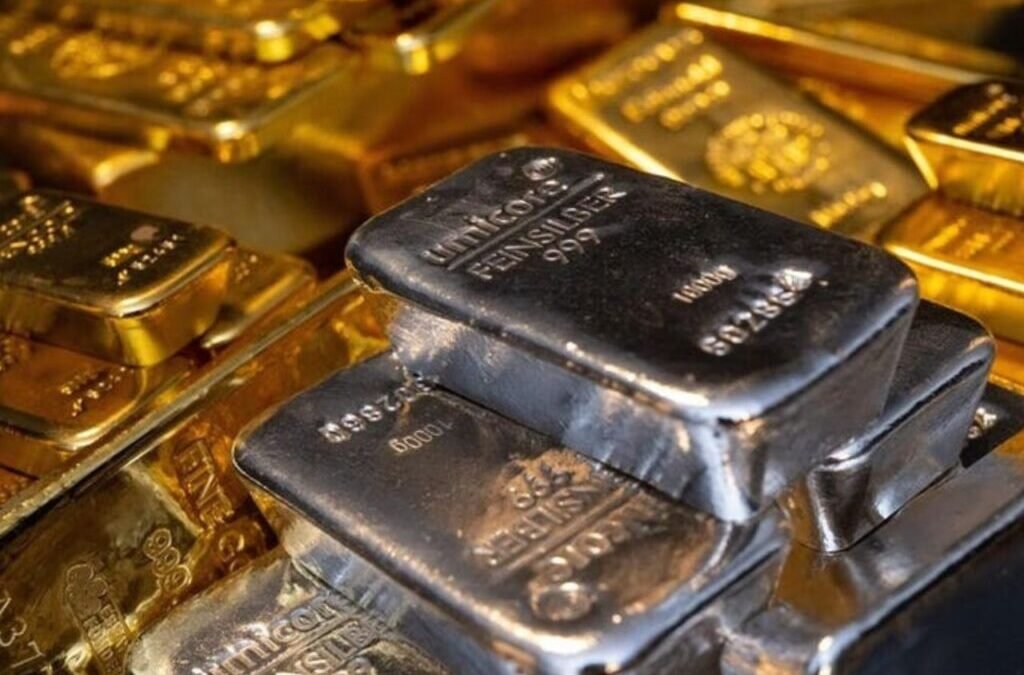
Synopsis: Today gold and silver fell by about 2.7 percent and 5 percent, respectively. This comes after various geopolitical and economic developments occurring around the globe. Previously, gold and silver had surged to historic peaks of $5,420 and $116 per ounce, respectively.
Gold and silver staged an extraordinary rally, reaching historic milestones, with gold peaking at an all-time high of around $5,420 per ounce, while silver surged to nearly $116 per ounce, a phase that reflected intense investor demand for safe-haven assets.
However, the bullish momentum saw a sharp reversal by late January amid shifting geopolitics that tempered rate-cut expectations, followed by the onset of the Middle East conflict, which created another layer of volatility, though initially these geopolitical risks had supported metal prices.
On March 19, 2026, gold fell by about 2.7 percent to around $4,687 per ounce, while silver saw a sharper decline of nearly 5 percent to trade near $71 per ounce, driven by a mix of evolving economic developments, currency movements, and persistent geopolitical uncertainties as follows-
Federal Reserve Policy
The Federal Reserve’s March 2026 or FOMC meeting surprised the markets by maintaining the interest rates at 3.5% to 3.75%. The updated “dot plot” projections now signal just one rate cut this year, down from three. This stance from the Feds removes the immediate incentive for investors to hold on to non-yielding assets like bullion.
Gold and silver prices are cratering because they offer zero dividends. With bond yields rising, institutional capital is rotating out of precious metals and into high-yielding Treasury notes.
The Inflation-Interest Paradox
Despite Middle East tensions pushing crude oil around $119 per barrel, gold hasn’t gained its usual safe-haven traction. Investors fear that skyrocketing energy costs will cement sticky inflation, forcing the Fed to delay easing. This suggests that in the current geopolitical situation, inflation could be a bearish trigger for precious metals.
The risk of rising wages driven by energy costs further makes gold a liability. Additiy, traders also expect the Fed to prioritize price stability over growth, which could further suppress the demand for metals.
Strengthening U.S. Dollar
The U.S. Dollar has surged to its highest level in months, acting as the ultimate global safe haven. Since gold and silver are denominated in dollars, a stronger greenback makes these commodities prohibitively expensive for foreign buyers, leading to massive global sell-offs. A dominant dollar weakens metals, as a stronger dollar raises acquisition costs for central banks while drawing liquidity away from gold into cash
Technical Selling and Liquidations
Gold has fallen about 8% in the past month, while silver is down nearly 16%, breaking key support levels. This triggered automatic selling and forced many retail investors to exit. Liquidations in leveraged ETFs and stop-loss orders made the fall worse, shifting market sentiment from “buy the dip” to panic selling.
Disclaimer: The views and investment tips expressed by investment experts/broking houses/rating agencies on tradebrains.in are their own, and not that of the website or its management. Investing in equities poses a risk of financial losses. Investors must therefore exercise due caution while investing or trading in stocks. Trade Brains Technologies Private Limited or the author are not liable for any losses caused as a result of the decision based on this article. Please consult your investment advisor before investing.
The post Why Did Gold and Silver Prices Fall Today? Check the Reasons appeared first on Trade Brains.