
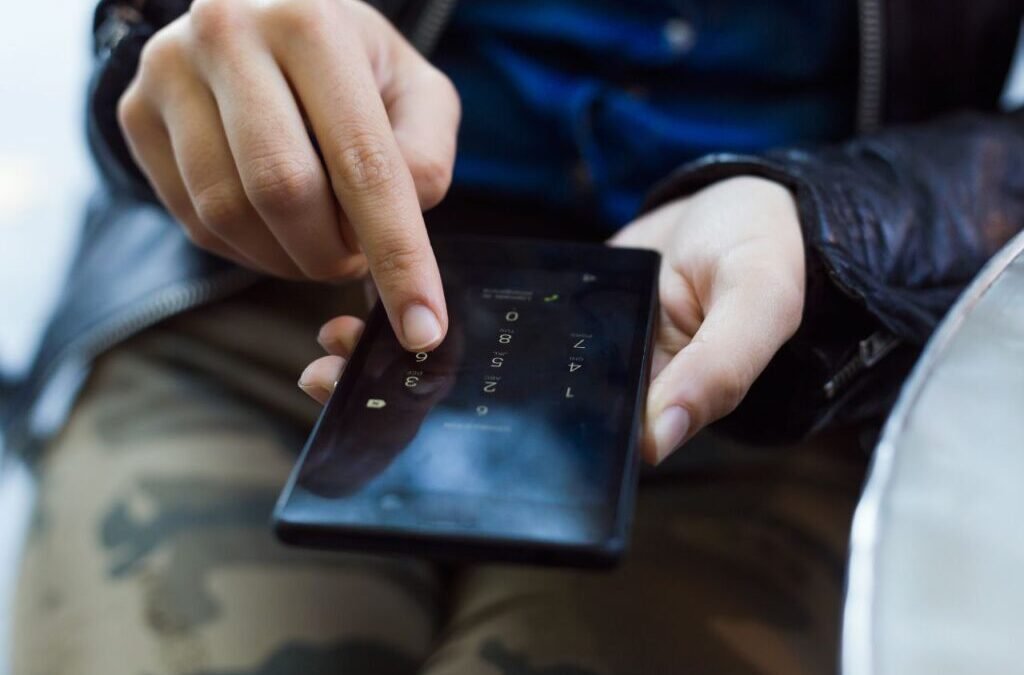
In recent years, virtual numbers have become an essential tool for users and businesses looking to securely receive verification codes while maintaining privacy. With SMS-MAN, anyone can receive sms without linking to a personal phone or SIM card, making account registration on various online platforms safe and convenient.
According to GlobalData, over 60% of websites and services now require phone verification, and demand for cloud numbers has increased by more than 35% over the past two years.
What a Virtual Number Is and How It Differs from a Regular Phone
A virtual number is a standard phone number that operates over the internet and doesn’t require a physical SIM card. Calls and SMS are routed through a cloud platform, allowing the number to work on any device—smartphone, tablet, or computer.
Functionally, virtual numbers offer the same capabilities as a regular phone: you can make calls, send messages, and use the number to register accounts on various services.
It’s important to distinguish a virtual number from a virtual SIM card. A virtual number provides a full phone line that can be configured on any device with internet access, whereas a virtual SIM is a digital version of a physical SIM card.
How Virtual Numbers Are Used
Businesses and individual users rely on virtual numbers for several purposes:
- Call forwarding: calls can be directed to any device, saving time and ensuring privacy.
- Marketing analytics: assigning separate numbers to different channels allows precise tracking of customer sources.
- Remote call centers: operators can handle calls and SMS from any device.
- Additional features: call recording, on-hold music, and free client calls.
- Memorable numbers: local or easy-to-remember numbers build trust and create the impression of a regional presence.
According to MarketsandMarkets, companies using cloud numbers see up to a 20% increase in conversion rates thanks to improved customer communication.
Types of Virtual Numbers
- Universal: support both calls and SMS.
- One-time: used for one-time tasks, such as receiving a verification code.
- Toll-free incoming calls: suitable for businesses with high call volumes.
- SMS-only: designed for receiving and sending text messages.
- Incoming-call only: convenient for companies with active phone communications.
The type of number should match the business’s needs: if both calls and SMS are required, universal numbers are generally preferred.
How to Set Up a Virtual Number
Setting up a cloud number through SMS-MAN typically involves several steps:
- Choose a platform: review available plans, features, and integration options with CRM and analytics tools.
- Register and pay: submit a request and receive the number.
- Install the application: follow the platform’s setup instructions.
- Integrate with external services: connect CRM, web analytics, and advertising platforms.
- Test: make trial calls and send SMS to verify functionality.
Numbers can also be rented for a limited period—from a few minutes to several days. This is useful for one-time registrations, but after the rental period ends, the number may become available to other users, which carries the risk of secondary usage.
Advantages and Disadvantages
Advantages:
- Flexibility: easily configured for different regions and marketing needs.
- Cost savings: cloud PBX is cheaper than physical infrastructure.
- Trust-building: local numbers create the perception of a regional presence.
- Privacy: protects employees’ personal data.
- Analytics: track calls and SMS, evaluate campaign effectiveness.
Disadvantages:
- Internet dependency: call quality relies on network stability.
- Secondary usage: previously used numbers may be known to other users.
Virtual Numbers in Advertising
Virtual numbers are an effective tool for marketing campaigns: they can be listed in ads and linked to different promotion channels. With SMS-MAN, users can obtain temporary numbers and receive sms, enabling accurate tracking of incoming inquiries, optimizing budgets, and increasing campaign efficiency.
The post Virtual Numbers: How Cloud Phones Are Changing Account Registration appeared first on Trade Brains Features.