
Synopsis: The airline signed an MoU for 10 aircraft and plans to double capacity by Winter 2026. Revenue rebounded sharply, and losses narrowed sequentially, supporting its ongoing turnaround strategy.
A small-cap company that is engaged in the business of providing air transport services for the carriage of passengers and cargo has come into focus after signing a MoU for 10 Aircrafts.
With the market capitalization of Rs. 2,562.32 crore, the shares of SpiceJet Limited were trading at Rs. 16.79, down by 0.94 percent from its previous day’s close price of Rs. 16.95 per equity share. The stock has touched an intraday high of Rs. 17.30, implying an increase of 2.06 percent from previous day’s close price.
MoU for 10 Aircraft Induction
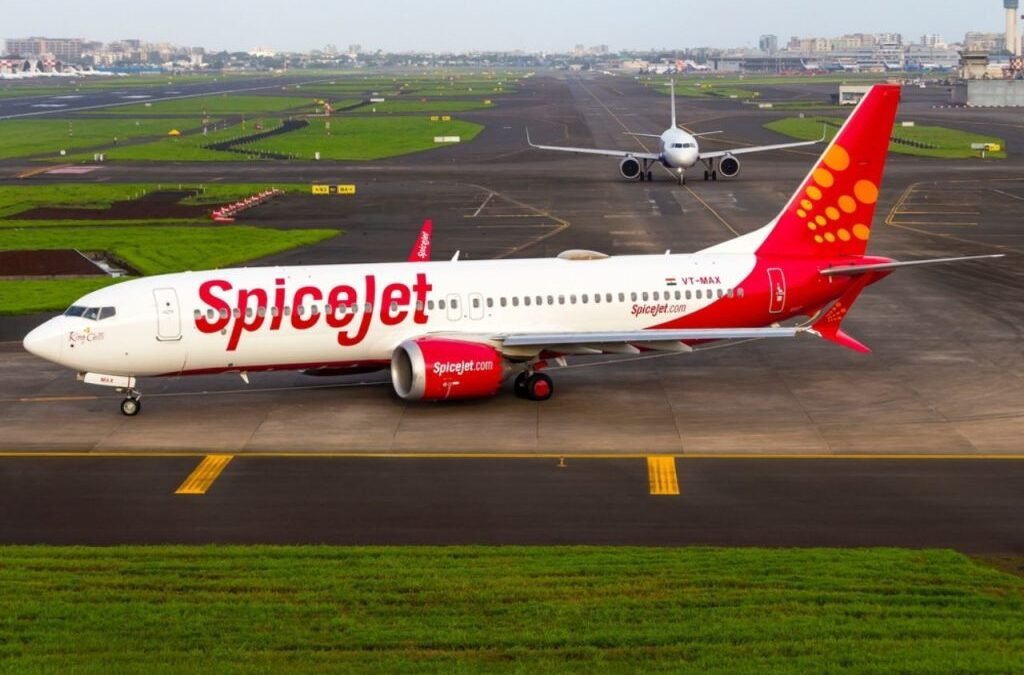
SpiceJet has received a Memorandum of Understanding (MoU) for the induction of 10 aircraft, marking a key milestone in its fleet expansion and network rebuilding efforts. This follows the Board’s recent approval for a calibrated ramp-up of the fleet to 60 aircraft through a mix of wet and damp leases, along with the phased return of grounded aircraft. The move signals continued progress in the airline’s structured recovery plan.
The airline has reported a strong operational rebound over the last quarter, with Available Seat Kilometres (ASKMs) rising from around 55 crore to 105 crore. This near doubling of capacity within a short period reflects improved aircraft utilization and strengthening network operations. The increase indicates that the airline’s restoration strategy is beginning to translate into tangible capacity growth.
FY26 Expansion Targets
Building on this momentum, SpiceJet has outlined ambitious plans for the year ahead. The airline is targeting approximately 220–225 crore ASKMs by Winter 2026 and plans to operate over 300 daily flights across its network. These targets imply more than doubling capacity during the year, positioning the carrier for a significant scale-up in operations.
Strategic Focus and Balanced Growth
The expansion is aimed at strengthening connectivity, improving operational reliability, and meeting strong passenger demand, while maintaining a disciplined approach to growth. SpiceJet has emphasized a balanced strategy that combines fleet restoration with selective capacity additions, focusing on rebuilding scale in a sustainable manner and enhancing long-term operational stability.
Financials
SpiceJet Limited is a Gurugram-based airline, incorporated in 1984, engaged in providing passenger and cargo air transportation services. The company operates under two segments; Air Transport and Freighter & Logistics Services, and offers domestic as well as international connectivity under the SpiceJet brand.
Revenue for Q3FY26 stood at Rs. 1,384 crore, compared to Rs. 1,231 crore in Q3FY25, reflecting a 12.4 percent YoY growth. On a sequential basis, revenue surged 77.2 percent QoQ from Rs. 781 crore in Q2FY26, indicating a strong rebound in topline performance during the quarter.
EBITDA for Q3FY26 reported a loss of Rs. 194 crore, slightly higher than the loss of Rs. 188 crore in Q3FY25. However, compared to a larger loss of Rs. 454 crore in Q2FY26, EBITDA loss narrowed significantly, showing considerable improvement in operating performance sequentially.
Profit after tax stood at a loss of Rs. 269 crore in Q3FY26, compared to a profit of Rs. 25 crore in Q3FY25, indicating a negative swing of Rs. 294 crore YoY. Sequentially, net loss reduced sharply from a loss of Rs. 634 crore in Q2FY26. Overall, while revenue improved strongly, the company remained loss-making, though losses narrowed substantially compared to the previous quarter.
SpiceJet’s fleet expansion and calibrated capacity ramp-up indicate that the airline is moving decisively from stabilization toward growth. The sharp rise in ASKMs, planned induction of additional aircraft, and target of over 300 daily flights by Winter 2026 reflect improving operational momentum and rising demand confidence.
However, the success of this turnaround will depend on disciplined execution, cost control, aircraft availability, and sustained passenger demand. If the airline is able to balance expansion with operational reliability and financial prudence, its fleet revival strategy could meaningfully strengthen its competitive position and support a more durable turnaround by FY26.
Disclaimer: The views and investment tips expressed by investment experts/broking houses/rating agencies on tradebrains.in are their own, and not that of the website or its management. Investing in equities poses a risk of financial losses. Investors must therefore exercise due caution while investing or trading in stocks. Trade Brains Technologies Private Limited or the author are not liable for any losses caused as a result of the decision based on this article. Please consult your investment advisor before investing.
The post SpiceJet Share: Can company’s Fleet Expansion Plan Drive a Stronger Turnaround by FY26? appeared first on Trade Brains.