
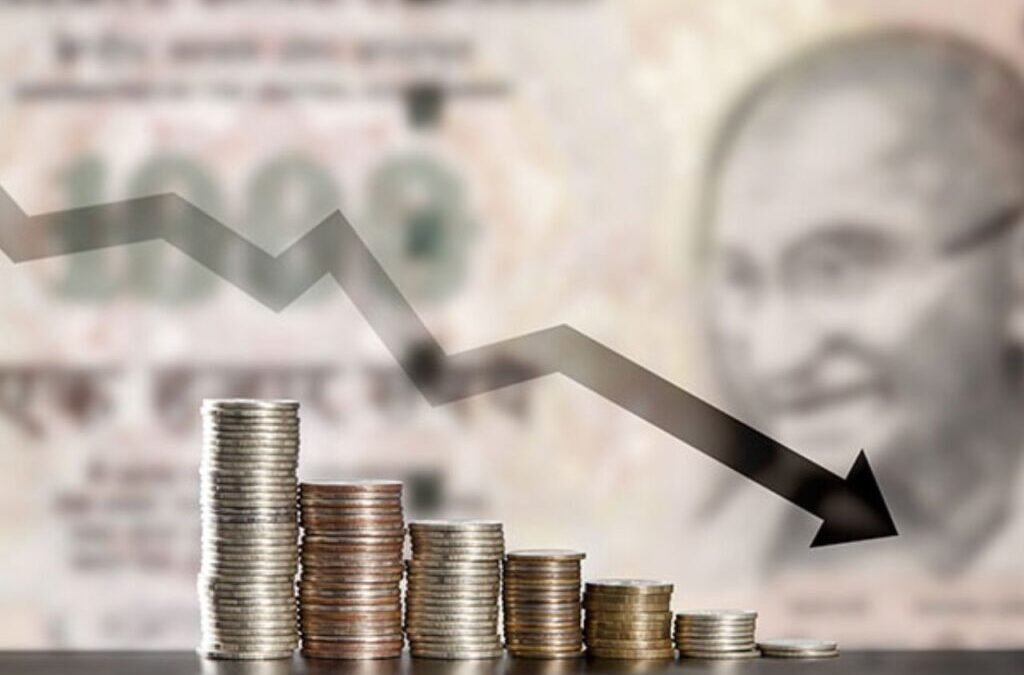
Synopsis: The Indian rupee faced significant downward pressure on Wednesday, weakening to a near one-month low against the US dollar. A combination of rising global crude oil prices, fueled by Middle East tensions, and increased domestic demand for the greenback have weighed heavily on the local currency.
The Indian rupee experienced a significant sell-off, losing more than 50 paise to trade at 94.77 per US dollar. The primary catalyst for this weakness is the dramatic surge in Brent crude oil, which jumped 3.13% today to reach $114.74 per barrel.
This sharp upward trajectory climbing from a previous close of $111.26 is driven by the intensifying conflict between the United States and Iran, which continues to weigh heavily on the global energy market.
In the domestic market, the rupee’s struggle was further exacerbated by a recovery in the US Dollar Index, which held firm above the 98 mark. Additionally, the local stock market experienced a downturn following a brief rally in the previous session. The currency remains under significant pressure as Brent crude prices hit an intraday high of $115.45, directly impacting India’s high energy import dependency. On the NSE, USD/INR futures reflected this bearish trend, trading up 0.10% at the 95.02 mark during early sideways movement.
A weaker rupee and higher oil prices present a double-edged challenge for the Indian economy. Higher crude costs typically lead to an expansion of the Current Account Deficit (CAD) and can trigger inflationary pressures. For corporations with foreign-currency-denominated debt, a sliding rupee increases the cost of servicing those loans, while importers across various sectors may face sharply rising input costs.
The U.S. economy remains a focal point for global markets as today marks Federal Reserve Chair Jerome Powell’s final policy meeting. While the U.S. Dollar Index (DXY) remains robust above 98.5, domestic concerns are mounting regarding “energy-push” inflation.
High oil prices are acting as a double-edged sword; while they bolster the U.S. energy sector, they threaten to dampen consumer spending and complicate the Fed’s path toward interest rate cuts.
Additionally, the U.S. Treasury yield curve remains inverted, signaling persistent recessionary fears despite steady labor data, as investors seek the safety of the greenback amid the escalating conflict with Iran.
Disclaimer: The views and investment tips expressed by investment experts/broking houses/rating agencies on tradebrains.in are their own, and not that of the website or its management. Investing in equities poses a risk of financial losses. Investors must therefore exercise due caution while investing or trading in stocks. Trade Brains Technologies Private Limited or the author are not liable for any losses caused as a result of the decision based on this article. Please consult your investment advisor.
The post Rupee Tumbles to 94.77 as Brent Crude Surges Past $114 Amid US-Iran Tensions appeared first on Trade Brains.