
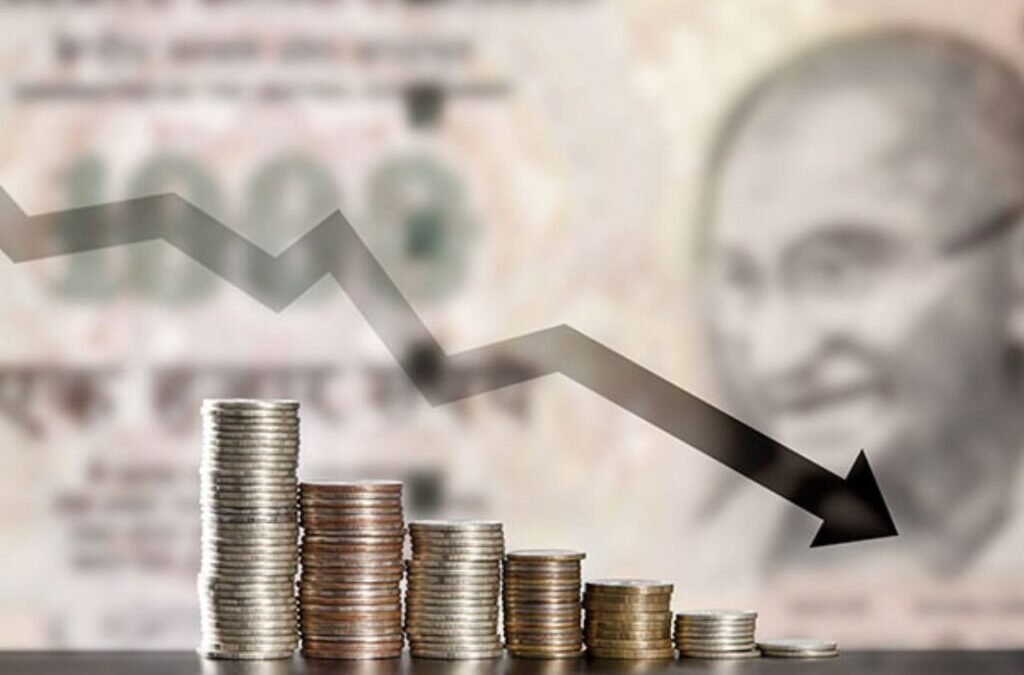
Synopsis: The Indian Rupee (INR) is experiencing its worst crisis in years as Brent crude oil prices soared to $107.49 per barrel on April 27, 2026. This situation arose from the breakdown of U.S.-Iran peace talks and a blockade of the Strait of Hormuz. This energy shock has pushed the Rupee past the critical ₹94 per dollar mark. As the trade deficit increases and demand for dollars grows, the domestic currency is caught in a sharp decline.
The main cause of the Rupee’s decline is the rapid rise in global oil prices. Brent crude jumped 2.05% in a single day due to concerns about a supply shortage after the Strait of Hormuz was closed. For India, which relies on imports for over 85% of its crude, this is a disastrous situation.
Statistically, every $10 rise in oil prices adds nearly $15 billion to India’s annual import costs. With oil now priced over $20 higher than the early 2025 average, Indian oil companies are urgently seeking dollars. This huge outflow of money to pay for energy has drastically reduced the Rupee’s value, pushing the USD/INR exchange rate from the mid-86s into the fluctuating 94.20-94.30 range.
The Reserve Bank of India (RBI) is in a tough spot. While India’s $703 billion in forex reserves are considerable, they are limited. Aggressively selling dollars to maintain the ₹94 level would rapidly deplete these reserves, particularly if the blockade continues through June.
Market observations suggest the RBI has moved to “damage control” instead of a strong defense. The central bank is letting the Rupee settle at a lower market rate to preserve reserves for even larger shocks. However, this managed decline has led to five consecutive sessions of losses, with the INR dropping nearly 3% in just weeks.
The intensifying “currency war” is dealing a multi-pronged blow to the Indian economy, primarily through imported inflation as the rising cost of dollar-priced essentials like oil, electronics, and edible oils threatens to breach the RBI’s retail inflation targets.
Simultaneously, the corporate sector faces significant distress, particularly firms with unhedged dollar-denominated debt that now face ballooning repayment obligations in rupee terms. While the crisis creates a challenging macroeconomic environment, a “silver lining” exists for export-heavy sectors such as IT services and Textiles, which are seeing their profit margins padded by the increased value of their dollar earnings.
Future Outlook: Analysts warn that if Brent crude tests the $110–$120 range, as predicted by Citigroup and Goldman Sachs, the USD/INR could target the 96.00 level. Stability will only return if diplomacy reopens global shipping lanes or if the U.S. Federal Reserve provides a liquidity reprieve.
Disclaimer: The views and investment tips expressed by investment experts/broking houses/rating agencies on tradebrains.in are their own, and not that of the website or its management. Investing in equities poses a risk of financial losses. Investors must therefore exercise due caution while investing or trading in stocks. Trade Brains Technologies Private Limited or the author are not liable for any losses caused as a result of the decision based on this article. Please consult your investment advisor.
The post Rupee Plunges Past 94/USD as Brent Hits $107 Widening Trade Deficit Concerns appeared first on Trade Brains.