
Synopsis: A retail-led real estate player is showing signs of a shift that could reshape its earnings profile. While mall spending remains strong, multiple drivers are beginning to align beneath the surface. With existing assets delivering more and new income streams building up, could this be the phase where profits start accelerating?
A premium retail-led real estate player may be moving into a stronger earnings phase as several drivers come together at once. Customer spending across its malls has stayed strong, newer assets are maturing, office leasing is scaling up, and high-margin businesses like hospitality and ready residential inventory are adding support. The key point is that much of this momentum is coming from assets the company already owns, which means future profit growth may not depend only on building new projects.
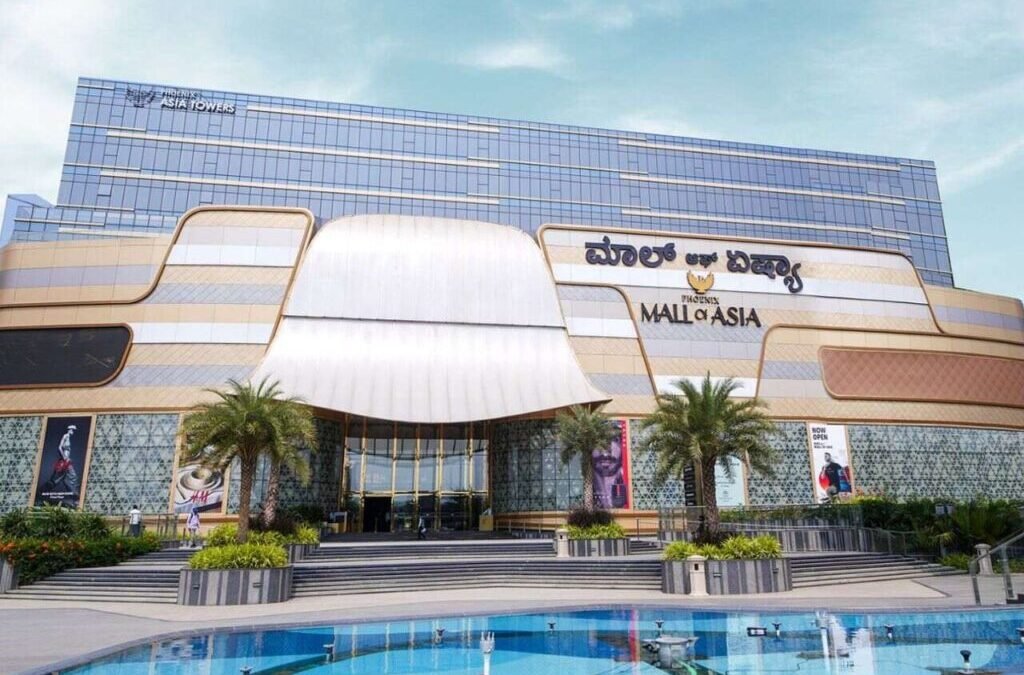
Phoenix Mills, one of India’s best-known mall-led mixed-use developers, has spent years building large destinations that combine retail, offices, hotels and residential. That model now appears to be reaching a more rewarding stage. The latest data suggest the company is not just growing, but improving the quality of that growth. The portfolio is becoming more productive, the office business is nearing monetisation, and existing assets still seem to have room for better rentals and cash generation.
Retail Is Still The Main Engine
The clearest reason behind the thesis is the retail business, which remains the company’s biggest driver. In Q3FY26, Phoenix Mills reported retail consumption of Rs. 4,992 crore, up 25 percent year-on-year. Rental income rose 13 percent to Rs. 573 crore, while retail EBITDA increased 16 percent to Rs. 585 crore. The Q4FY26 operational update made the trend look even more meaningful. For the full year, retail consumption reached an all-time high of around Rs. 16,578 crore, up 21 percent, and this was achieved without any new mall additions during the year.
That point matters. It means growth is coming from better performance of the existing portfolio rather than from simply adding more area. Q4 consumption alone stood at about Rs. 4,251 crore, up 31 percent year-on-year, making it the strongest quarter of FY26 in terms of year-on-year growth. The company also said this performance remained broad-based even as some assets continued to undergo planned repositioning and premiumisation. In simple terms, Phoenix is getting more out of the same portfolio, and that usually creates a stronger base for profit growth.
During Q3, management also highlighted strength across fashion and accessories, family entertainment and multiplexes, food and beverage, and jewellery. That is important because broad-based demand is usually more durable than growth driven by one temporary pocket. It also improves the quality of retailer sales, which matters for rentals, renewals and revenue share income later.
Premiumisation Is Improving Productivity
Another reason the profit story is strengthening is the work Phoenix is doing inside its malls. Management has been clear that it is upgrading Phoenix MarketCity centres, premiumising the brand mix, launching flagship formats, and expanding experiential and food-led zones. The goal is not just to keep malls full, but to make each square foot more productive.
That productivity is already showing up in trading density, which is simply the sales generated per unit of mall area. In the first nine months of FY26, trading density at Phoenix MarketCity Bengaluru rose 23 percent year-on-year to Rs. 3,011 pspm, while Phoenix MarketCity Pune rose 14 percent to Rs. 2,214 pspm. This matters because stronger tenant productivity gives the landlord more room to improve rents over time.
Management also gave examples of how it is trying to deepen customer engagement, not just footfall. Gourmet Village at Phoenix Palladium has been positioned as a dining and entertainment destination, while the new Phoenix Racquet Club has added another lifestyle layer to the mall experience. These moves are meant to increase repeat visits and improve dwell time. In Q3, management said the racquet club generated about Rs. 50 lakhs in revenue in its first month while also helping engagement.
The Rent Opportunity May Still Be Ahead
One of the most interesting points was that consumption in some assets appears to be rising faster than rentals. The best example was Phoenix Mall of Asia in Bengaluru. In Q3FY26, the mall reported consumption of around Rs. 732 crore, up 112 percent year-on-year. Quarterly rental income rose 58 percent to Rs. 62 crore, which is strong, but still much slower than the rise in consumption. The reason is simple. New malls often ramp up customer spending first, while rent catches up gradually as occupancy improves, stores mature, leases reset and revenue-share structures flow through.
Management said Mall of Asia had leased occupancy of 88 percent in December 2025 and expected it to stabilise at around 94 to 95 percent over the next two quarters. It also indicated that consumption and rent should converge over a three-to-five-year period. That is important because it suggests the earnings potential of some newer retail assets may not yet be fully visible in current reported numbers.
There is also a broader renewal opportunity embedded in the portfolio. Management in Q3FY26 earnings call said, a significant part of the retail portfolio will come up for renewal over the next five years, and in a later Q&A it said roughly 50 percent of the portfolio has contractual expiries coming up over the next three years. Historically, Phoenix said it has seen 20 percent to 30 percent improvement through renewals, helped by repricing, area optimisation and better brand economics. That does not guarantee the same outcome every time, but it shows why the company still sees upside in existing malls.
Offices Are Moving Closer To Monetisation
If retail is the current engine, offices increasingly look like the next one. Over the last two years, Phoenix Mills has expanded its office platform from around 2 million square feet across two cities to nearly 5 million square feet across four cities. By December 2025, it had achieved nearly 1.2 million square feet of gross leasing across Mumbai, Pune, Bengaluru and Chennai. The Q4FY26 update then showed that gross leasing for FY26 had crossed 2.2 million square feet, with leased occupancy across the office portfolio at around 70 percent as of March 2026.
The important point here is timing. In both the Q2 and Q3 concalls, management said the office business is moving from a build-and-lease phase to a rental monetisation phase. That means much of the work of constructing the buildings and signing tenants has already happened, but the full income effect will come with some lag as tenants complete fit-outs and rents start flowing. Management specifically said newer office assets are expected to begin contributing meaningfully to earnings and cash flows from FY27 onwards.
Hotels, Residential And Balance Sheet Support
The other businesses also strengthen the case. In the first nine months of FY26, the hotels portfolio reported income of Rs. 423 crore, up 8 percent year-on-year, while EBITDA grew 16 percent to Rs. 190 crore. EBITDA margin improved to 45 percent, with St. Regis Mumbai benefiting from healthy occupancy and higher room rates. The Q4FY26 update added that St. Regis delivered RevPAR growth of 6 percent in Q4 and 7 percent in FY26, while occupancy remained a healthy 86 percent for the year.
Residential is not the company’s main recurring-income business, but it is helping with monetisation and cash generation. In Q3, management said nine-month gross bookings were around Rs. 412 crore, while the Q4 update showed FY26 gross sales of around Rs. 471 crore, more than double FY25. The growth is being driven by the sale of ready premium inventory, especially in Bengaluru. In the Q2 concall, management also indicated that the margin profile on the existing ready inventory is high because the land was acquired years ago.
Finally, the balance sheet still appears disciplined relative to the growth agenda. In Q3, the company said nine-month operating cash flow after working capital, taxes and interest stood at Rs. 1,508 crore, while net debt to annualised EBITDA remained at 1.3 times. Management also highlighted lower average borrowing cost and strong liquidity.
Taken together, Phoenix Mills may be entering a more rewarding stage of its business cycle. Retail consumption is hitting new highs, existing assets are becoming more productive, rentals may still have room to rise, offices are nearing monetisation, and hotels and residential are adding support. The story is no longer only about building premium destinations. It is increasingly about harvesting better cash flows from a platform that has already been built from here onward.
Disclaimer: The views and investment tips expressed by investment experts/broking houses/rating agencies on tradebrains.in are their own, and not that of the website or its management. Investing in equities poses a risk of financial losses. Investors must therefore exercise due caution while investing or trading in stocks. Trade Brains Technologies Private Limited or the author are not liable for any losses caused as a result of the decision based on this article. Please consult your investment advisor before investing.
The post Phoenix Mills: How this Realty Stock Might Be Entering Its Most Profitable Phase Yet appeared first on Trade Brains.