
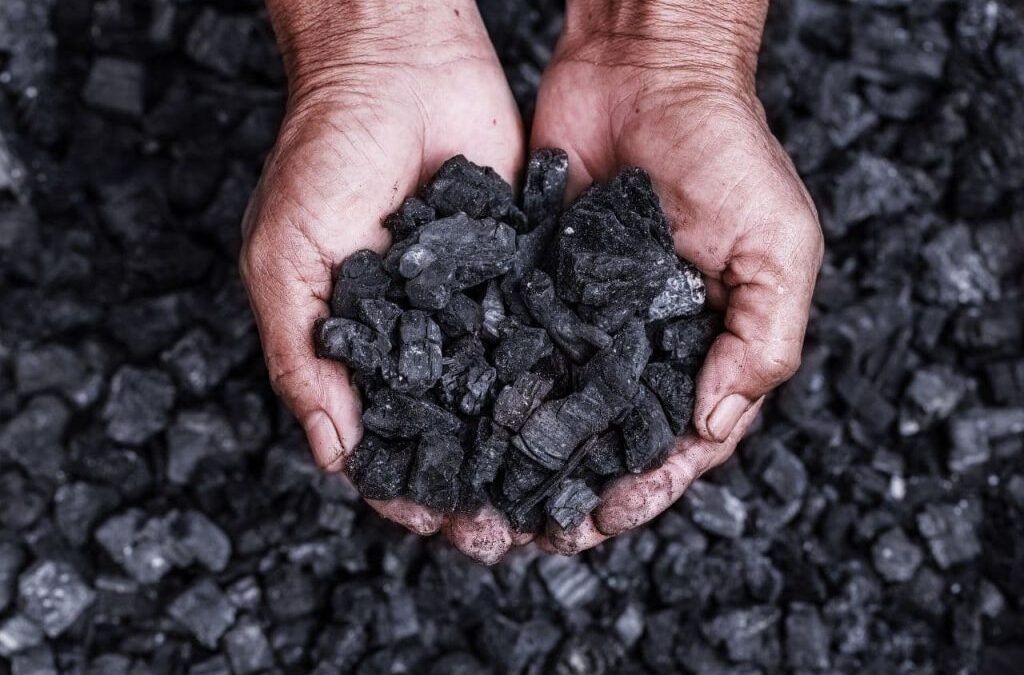
Synopsis: India has approved a ₹37,500 crore coal gasification push to reduce dependence on imported natural gas, methanol, and ammonia by converting domestic coal into synthetic gas and industrial chemicals. The move creates a new long-term demand channel for coal while benefiting companies linked to industrial equipment, fertilizers, and gas infrastructure.
India imports billions of dollars worth of natural gas, methanol, and ammonia every year despite holding the world’s fourth-largest coal reserves. Coal gasification is the government’s attempt to bridge that contradiction by converting domestic coal into synthetic gas and chemical feedstocks instead of importing them.
The timing is not accidental. Rising geopolitical tensions in West Asia and volatile LNG prices have exposed how vulnerable India remains to global energy supply disruptions. Coal gasification is being positioned as an energy security strategy as much as an industrial policy initiative.
What The ₹37,500 Crore Scheme Actually Does
The government aims to gasify 75 million tonnes of coal. The scheme offers up to 20% capital subsidy on plant and machinery while also providing 30-year coal linkage assurances to make large investments commercially viable.
The Biggest Beneficiary May Be Coal India
Coal India is the clearest long-term beneficiary of the policy. Coal gasification creates an entirely new industrial demand segment beyond thermal power generation, which has historically dominated coal consumption. Longer 30-year coal linkage contracts also provide revenue visibility and pricing stability that few other coal demand segments currently offer.
For Coal India, this is not just about higher coal demand. It is about diversifying dependence away from electricity generation into industrial applications with longer visibility.
Why BHEL Quietly Fits Into The Story
Bharat Heavy Electricals Limited may emerge as one of the largest indirect beneficiaries because coal gasification plants require heavy engineering infrastructure. Gasifiers, boilers, syngas handling systems, heat recovery equipment, and integrated industrial plant infrastructure all fall into BHEL’s execution capabilities. Every large-scale gasification project potentially becomes a future order pipeline for the company. After years of relying heavily on thermal power orders, coal gasification gives BHEL another industrial capex theme to participate in.
Fertiliser Companies May See Structural Cost Benefits
Deepak Fertilisers and Petrochemicals Corporation and Gujarat State Fertilizers & Chemicals also fit directly into the gasification story. Both companies rely significantly on imported natural gas or ammonia-linked feedstocks. Domestic synthetic gas production from coal could eventually reduce input costs and improve supply security if coal gasification scales meaningfully over the next decade. For fertilizer companies, the story is less about immediate earnings and more about long-term feedstock diversification.
The Risk Nobody Should Ignore
The near-term economics of coal gasification make sense because India wants energy security and lower import dependence. But the long-term question is harder. Coal gasification remains carbon-intensive compared to renewable energy and green hydrogen alternatives. If renewable energy costs fall rapidly in future or global carbon pricing frameworks tighten aggressively over the next decade, some of these projects may face weaker economics later. The government is effectively making a medium-term industrial security bet using a long-term fossil fuel resource.
Market Takeaway
Coal gasification is no longer just an experimental policy idea. It is becoming a major industrial capex theme backed directly by the government. The most immediate beneficiaries are likely to be Coal India through new coal demand, Bharat Heavy Electricals Limited through project execution opportunities, and fertilizer companies through potential feedstock cost advantages.
But the larger story is strategic. India is trying to reduce one form of import dependency by using a domestic resource it already controls in abundance. Whether that remains economically attractive over the next 30 years will depend on how quickly the world moves beyond fossil-fuel-based industrial systems.
Disclaimer: The views and investment tips expressed by investment experts/broking houses/rating agencies on tradebrains.in are their own, and not that of the website or its management. Investing in equities poses a risk of financial losses. Investors must therefore exercise due caution while investing or trading in stocks. Trade Brains Technologies Private Limited or the author are not liable for any losses caused as a result of the decision based on this article. Please consult your investment advisor before investing.
The post How BHEL, Coal India, and Other Stocks Will Benefit From India’s ₹37,500 Cr Coal Gasification Push appeared first on Trade Brains.