

Gold and silver are often bought for the same reason: to protect capital during unstable periods. In practice, however, these metals often behave differently. One can rise while the other stagnates or declines. Why does this happen, and how can investors avoid making the wrong choice?
The role of gold in investing
For centuries, gold has served as a widely recognized store of value. Unlike most financial assets, it is not tied to government debt and does not depend on corporate earnings. Therefore, gold is often used to preserve capital during periods of high inflation, financial crises, and market instability.
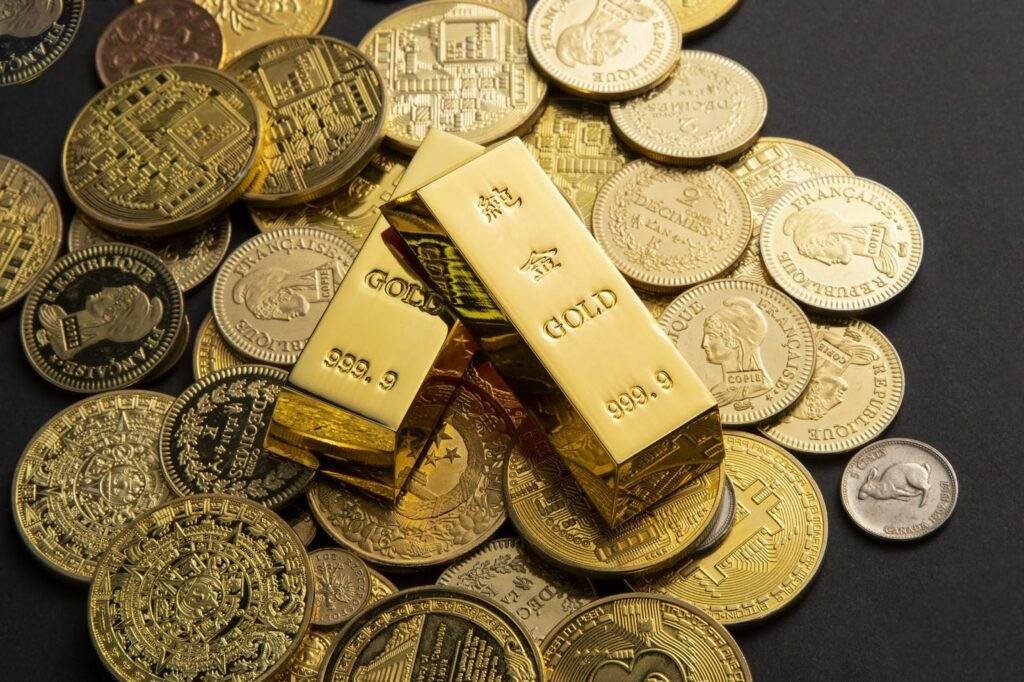
The main buyers of gold remain central banks, institutional investors, and private individuals. For regulators, gold is a reserve asset that reduces dependence on individual currencies. For investors, it supports portfolio diversification and helps reduce risks linked to swings in equity and bond markets. This trend has been especially evident in recent gold market analysis from Traders Union.
At the same time, gold rarely delivers rapid gains. Its investment logic centers on preserving purchasing power and maintaining relative stability over the long term. During periods of economic expansion, gold can look less attractive than risk assets, but in times of uncertainty, demand typically returns.
Why investors choose silver
Silver holds a distinct position among precious metals because it combines investment and industrial demand. It is bought not only as a store of value but also as a material used across the real economy. As a result, silver tends to react more strongly to shifts in economic activity and technological trends.
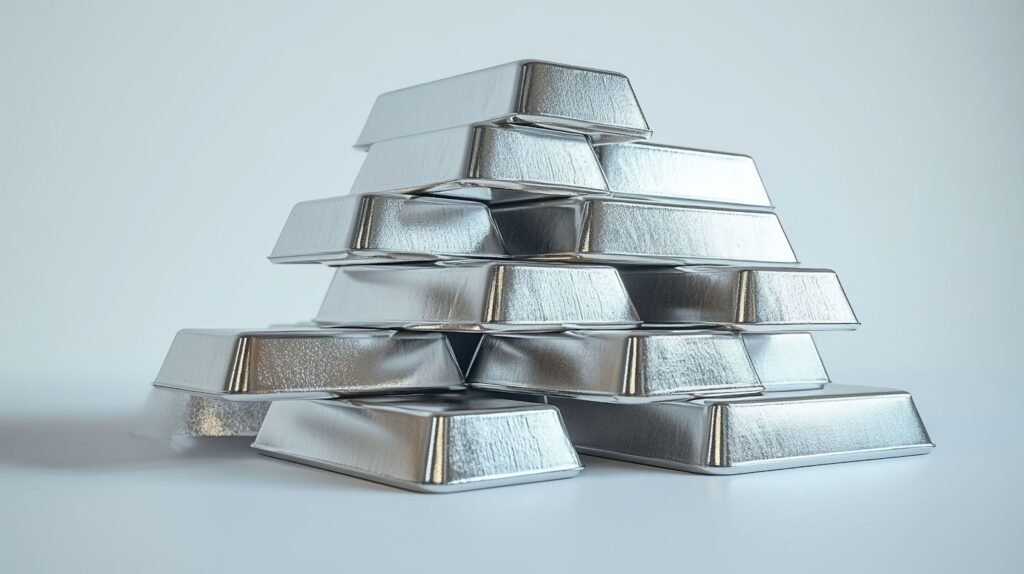
A significant share of silver demand comes from industrial use. The metal is widely used in electronics, solar energy, automotive manufacturing, and medicine. As green technologies and digital infrastructure continue to expand, industrial demand for silver is increasing, contributing to recent price trends in the silver market.
From an investment perspective, silver often attracts interest because of its higher volatility. Its price can rise quickly during periods of economic optimism, but it can also correct sharply when conditions deteriorate and demand weakens. For this reason, silver is often chosen by investors who accept price swings and seek not only capital preservation but also the potential for higher returns.
One market, two scenarios
Although gold and silver are both classified as precious metals, their investment logic differs. Gold is primarily associated with value preservation. Its price tends to react more strongly to inflation expectations, central bank actions, and confidence in the financial system. Demand from jewelry and luxury goods also supports the market, providing a stable but generally steady component.
Silver, by contrast, is more dependent on the real economy. In addition to investment demand, its price responds to industrial cycles, technological trends, and expectations for production growth. This makes silver more volatile and more prone to sharp moves, especially during periods of economic transition.
As a result, gold is more often used as a core defensive asset in portfolios, while silver is seen as a more dynamic instrument that can amplify gains and drawdowns. This difference helps explain why gold and silver prices can behave very differently under the same market conditions.
Balance instead of choosing
Investors often look for the “right” metal, but markets rarely work that way. Gold and silver are not competitors. They serve different phases of the economic cycle and different roles within a portfolio. Replacing one metal with the other often creates risk imbalances rather than better results.
That is why the key question is not which one to choose, but how to combine them. Gold supports stability and reduces reliance on the financial system, while silver increases exposure to growth and technological shifts. This approach focuses less on predicting market moves and more on building resilience across multiple scenarios.
The post Gold versus silver: Investment logic of two metals appeared first on Trade Brains Features.