
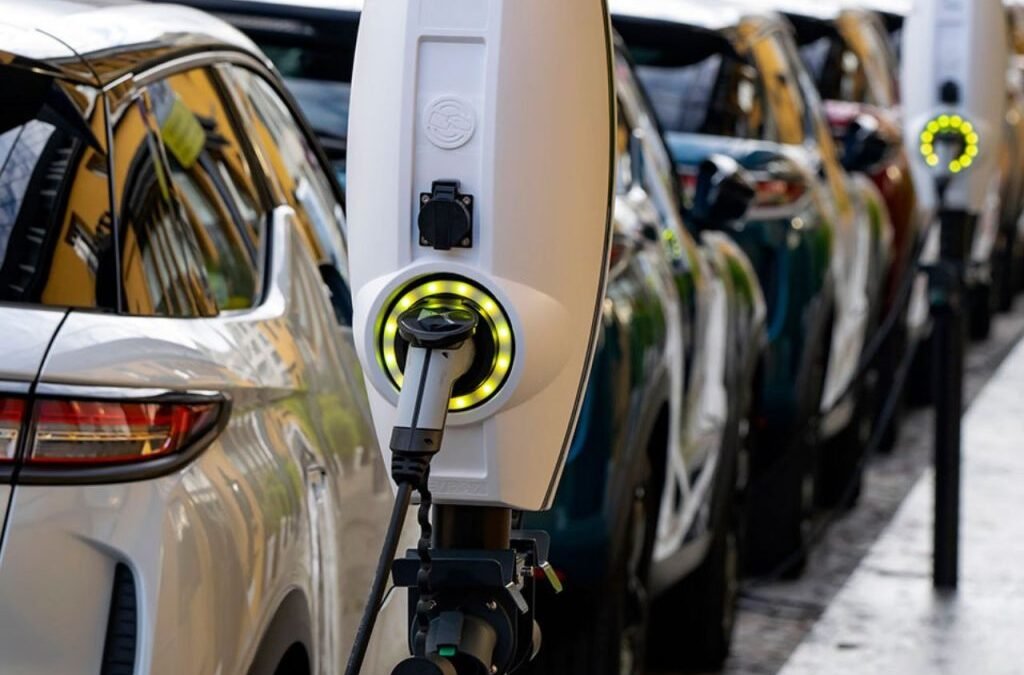
Synopsis: India’s EV boom is reducing oil dependency but creating a new $13.7 billion battery import problem. As reliance shifts toward Chinese-controlled lithium, cobalt, and battery materials, the real long-term winners may not be EV makers themselves, but companies building India’s battery independence ecosystem through recycling, battery materials, and EV technology.
India’s electric vehicle transition is solving one strategic problem while quietly creating another. The country has spent decades worrying about crude oil imports, but the next phase of dependency may come from lithium-ion batteries, rare earth magnets, and critical minerals controlled largely by China.
The numbers explain the concern clearly. According to industry estimates, if electric vehicles reach 20% passenger vehicle penetration in India, battery-related imports could rise from roughly $3.9 billion currently to nearly $17.6 billion annually, an incremental import burden of almost $13.7 billion every year.
That changes the entire EV conversation. India is not eliminating import dependence. It is shifting dependence from West Asian oil producers to Chinese battery supply chains.
Why The Battery Problem Is Bigger Than Oil
Oil markets are globally diversified. India can buy crude from the Middle East, Russia, the US, or Latin America depending on pricing and geopolitics. Battery minerals work differently.
China controls over ~80% of global processing capacity across lithium, graphite, cobalt refining, and rare earth magnets used in EV motors. Even when raw minerals come from countries like Australia, Zimbabwe, and Congo, much of the refining ecosystem still passes through China.
This creates a much tighter strategic bottleneck than crude oil ever did. If battery supply chains get disrupted, EV manufacturing slows immediately because there are very few alternative processing ecosystems globally.
EV Companies Are Already Feeling The Pressure
Indian EV manufacturers are already dealing with the consequences of this dependency. Rising lithium-ion cell costs, rare earth magnet shortages, semiconductor constraints, and higher metal prices have forced multiple companies to raise prices over the last year.
Companies like Ola Electric and Ather Energy continue investing aggressively into localisation, but most EV models still depend heavily on imported cells and electronics.
Even the government’s import policy reflects this challenge. India recently reduced import duties to 15% for a limited number of premium EVs priced above $35,000, provided manufacturers commit at least $500 million in domestic investment and gradually increase local value addition. The policy objective is clear: encourage global EV companies to manufacture locally instead of simply importing vehicles into India.
The PLI Scheme Is Important — But Late
The government’s Production Linked Incentive scheme for Advanced Chemistry Cells is India’s primary response to the battery dependency problem. The ₹18,100 crore scheme aims to create domestic battery manufacturing capacity and reduce reliance on imported cells over the next decade.
But the challenge is timing. EV demand is rising now, while domestic battery manufacturing is still scaling slowly. Most EV companies continue importing cells because local ecosystems for refining, processing, and advanced battery chemistry are still under development. That means India’s battery import bill may worsen before localisation benefits begin showing at scale.
The Real Winners May Not Be EV Stocks
The biggest beneficiaries of India’s EV transition may actually sit outside vehicle manufacturing. Gravita India is positioning itself in battery recycling, a business that could become strategically critical as India’s EV fleet ages. Recycling creates a domestic supply of lithium, cobalt, nickel, and lead without relying entirely on fresh imports.
Himadri Speciality Chemical operates in battery materials and anode chemistry, an area India currently imports heavily from China. As localisation increases, domestic material suppliers become structurally important.
KPIT Technologies represents another layer of battery independence. The company develops EV software, battery management systems, and powertrain solutions that reduce dependence on integrated foreign EV platforms. While vehicle assemblers fight pricing pressure and margin compression, these ecosystem players benefit from localisation itself becoming a national priority.
Mining Companies Quietly Enter The EV Story
India is also trying to secure access to global critical minerals through state-backed mining expansion. NMDC and NALCO are increasingly linked to India’s overseas critical mineral strategy as the government explores partnerships and acquisitions in regions including Australia, Argentina, and Africa. The logic is straightforward. If India cannot avoid importing battery minerals, it must at least secure long-term ownership and access to those supply chains.
Market Takeaway
India’s EV transition is entering its second phase. The first phase was about adoption. The next phase is about supply-chain control. Vehicle manufacturers may continue facing pricing pressure, rising import costs, and localisation challenges over the next few years. But the companies helping India reduce battery dependence, recyclers, material suppliers, software providers, and critical mineral players, may become the more important long-term beneficiaries of the EV ecosystem. The vehicles may dominate headlines today. The battery supply chain may dominate wealth creation tomorrow.
Disclaimer: The views and investment tips expressed by investment experts/broking houses/rating agencies on tradebrains.in are their own, and not that of the website or its management. Investing in equities poses a risk of financial losses. Investors must therefore exercise due caution while investing or trading in stocks. Trade Brains Technologies Private Limited or the author are not liable for any losses caused as a result of the decision based on this article. Please consult your investment advisor before investing.
The post EV Was the Solution but Now a $13.7 Bil Battery Problem; Top Stocks Positioned to Gain appeared first on Trade Brains.