
The 2025 FIFA Club World Cup distributed a record-breaking $1 billion prize pool to participating football clubs, as sporting franchises and corporations seek to leverage global competitions to drive revenue growth and enhance their brand.
England’s Chelsea FC defeated Paris Saint-Germain 3-0 in the final at MetLife Stadium in New Jersey during the 32-team competition in the US. President Donald J Trump attended the final at MetLife Stadium in East Rutherford.
The team made an estimated $153 million, the largest single-tournament payout in the history of club football. The tournament, which featured a group stage and knockout rounds, included $475 million tied to sporting performance and $525 million awarded based on participation.
Europe’s clubs received between $12.81 million and $38.19 million in base participation funds, while clubs from South America earned $15.21 million each, and those from Asia, Africa, and North America received $9.55 million. Oceania’s sole representative, Auckland City, earned $3.58 million.
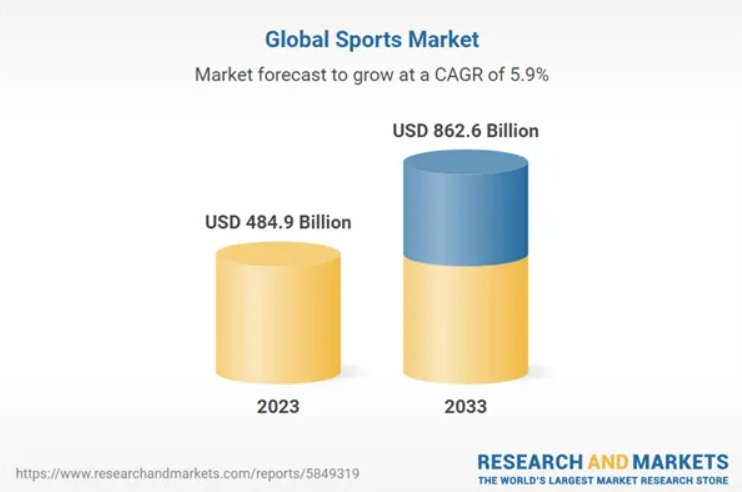
International sporting events, such as FIFA’s Club World Cup, have become a vital source of revenue for participants, sponsors, and corporations. The global sports market will grow from $484.9 billion in 2023 to $651 billion by 2028, at a compound annual growth rate (CAGR) of 6.1%, according to data from Research and Markets.
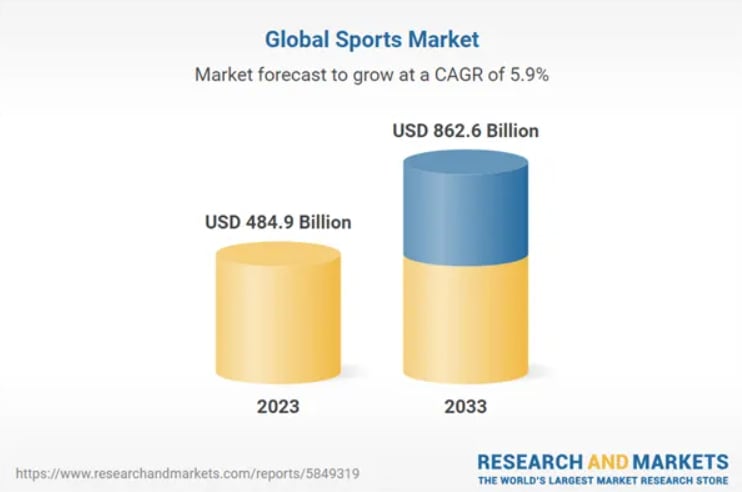
“Going forward, rise in sports tourism, rise in e-commerce platforms, rising disposable income and increase in globalization of sports will drive the growth,” it said in May last year.
FIFA Club Cup Adds $9.6B to US Economy
The FIFA Club World Cup, for example, has potentially generated as much as $21.1 billion in global GDP, with $9.6 billion of that in the US alone, according to FIFA.
The tournament drew over 3.7 million attendees to 11 US cities, created more than 105,000 jobs, and unlocked $3.36 billion in social benefits, according to studies by OpenEconomics. Although the Club World Cup is smaller in scale, its economic impact per match and team is unparalleled.
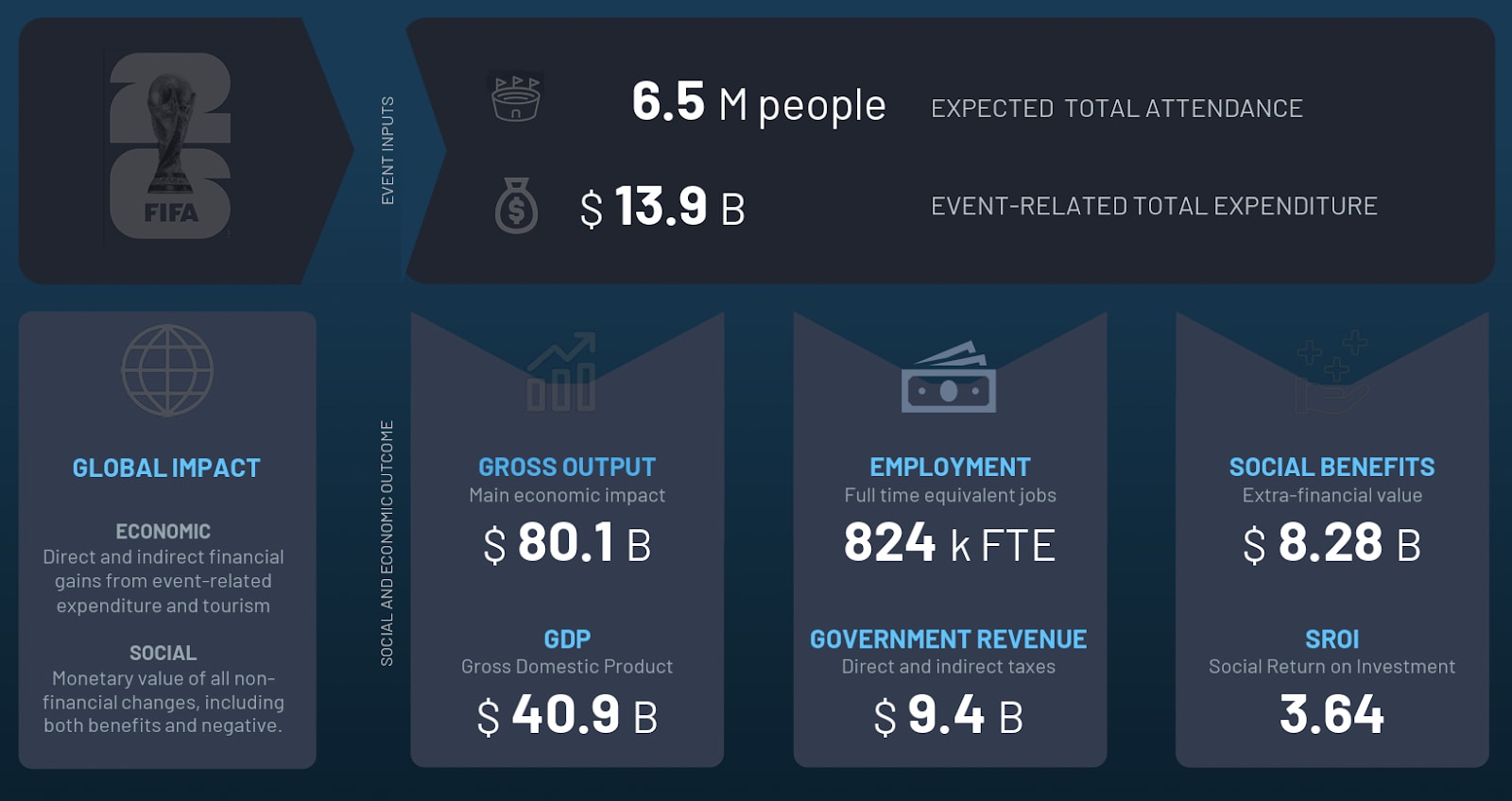
In comparison, the 2026 FIFA World Cup co-hosted by …