
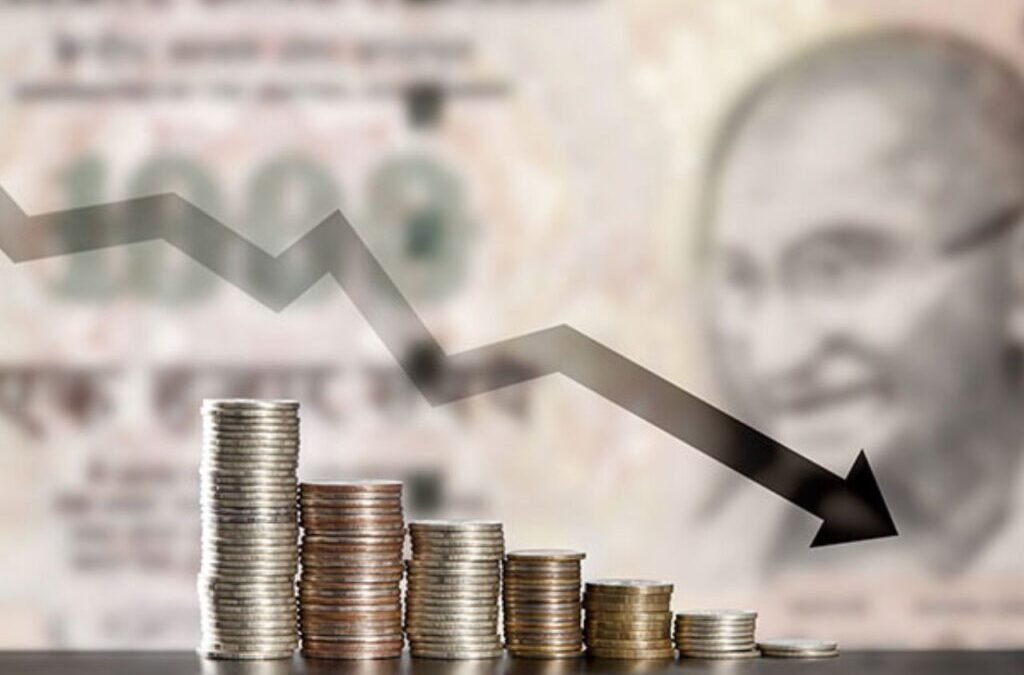
Synopsis: The Indian Rupee slipped to a record low of 95.20 against the US Dollar on April 30, 2026, pressured by a strengthening dollar, rising crude oil prices, and escalating geopolitical tensions in the Middle East, which together have amplified concerns over India’s external balance.
The Indian Rupee reached a new low this Thursday, crossing the 95-mark for the first time to hit 95.20. The currency started the day under pressure at 95.01, quickly falling from yesterday’s close of 94.88. This rapid drop resulted from a stronger US Dollar and a fading global risk appetite, which left domestic equity markets like Nifty 50 and SENSEX facing significant selling pressure.
The primary catalyst for the Dollar’s resurgence is the latest stance from the US Federal Reserve. Following the conclusion of the April policy meeting, the US Dollar Index (DXY) surged to a range of 98.94–99.01, marking its strongest level in several weeks. Fed Chair Jerome Powell warned that elevated energy prices are likely to push near-term inflation higher, complicating the path for interest rate cuts.
In a historic move, the Federal Open Market Committee (FOMC) saw its most divided vote since 1992, with four members dissenting as the committee voted to hold rates between 3.5% and 3.75%. This internal friction and the “higher-for-longer” interest rate narrative have triggered a flight to the safety of the Greenback, sucking capital out of emerging markets like India.
Adding to the Rupee’s struggles is the unstable situation in the Middle East Iran’s warning of “unprecedented military action” against the blockade has caused Brent crude prices to soar past the $122 per barrel mark. This sharp increase directly impacts India’s trade deficit; as one of the largest oil importers, India’s import bill is expected to rise significantly, intensifying concerns over “twin deficits” (fiscal and current account) and further weighing down the domestic currency.
The weakening Rupee, along with month-end dollar demand from importers and ongoing foreign fund outflows, has created a challenging situation for Indian equities. Domestic benchmark indices opened significantly lower today, reflecting investor concerns over rising input costs for Indian companies and the possibility of the Reserve Bank of India (RBI) stepping in to support the currency.
Although a weaker Rupee generally benefits export-oriented sectors like IT and specialty manufacturing such as global wire rope leader Usha Martin, which recently reported strong FY26 results the overall market remains cautious. The high cost of imports and the risk of imported inflation present major challenges for the Indian economy during this period of intense global currency volatility.
Disclaimer: The views and investment tips expressed by investment experts/broking houses/rating agencies on tradebrains.in are their own, and not that of the website or its management. Investing in equities poses a risk of financial losses. Investors must therefore exercise due caution while investing or trading in stocks. Trade Brains Technologies Private Limited or the author are not liable for any losses caused as a result of the decision based on this article. Please consult your investment advisor before investing.
The post Indian Rupee Hits All-Time Low of 95.20 Against USD appeared first on Trade Brains.