
Synopsis: Five of India’s largest conglomerates Reliance, Adani Enterprises, Tata Motors, NTPC, and L&T plan to spend over Rs 13.5 lakh crore on capital projects this decade. They will focus on green energy, electric vehicles, semiconductors, renewable power, and infrastructure. This level of investment shows a significant shift in India’s industrial economy.
India’s corporate capex supercycle is being led by five anchor companies whose combined investment commitments over the current decade dwarf anything the country has seen in its post-liberalisation history.
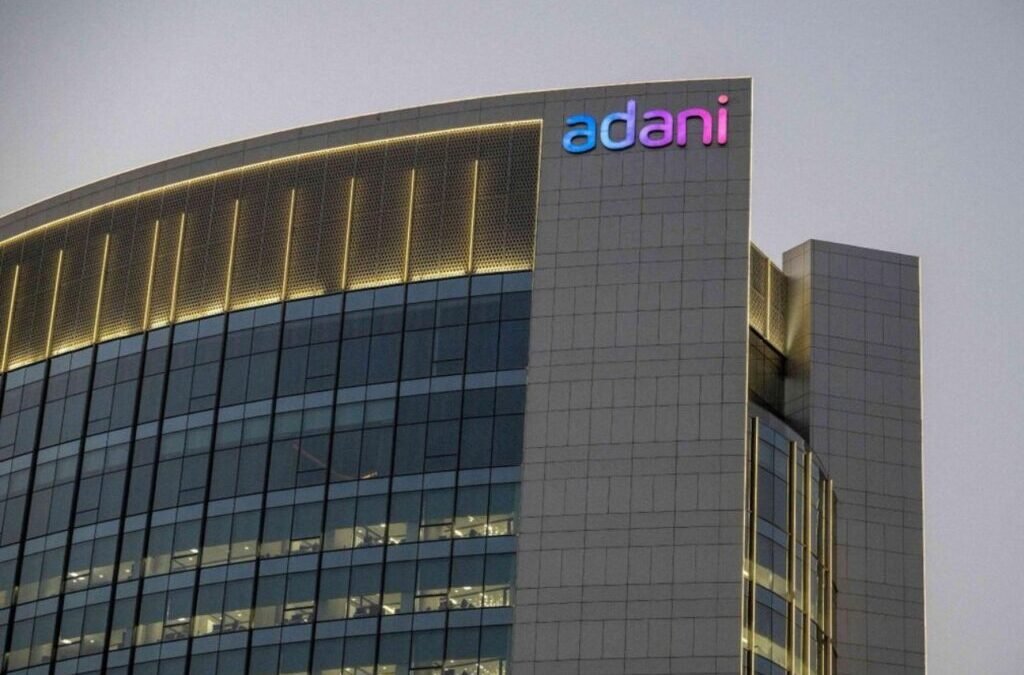
Adani Enterprises leads the pack with an estimated Rs 4.0 lakh crore earmarked primarily for green hydrogen production and airport infrastructure expansion across India’s fastest-growing travel corridors.
Tata Motors follows with Rs 3.5 lakh crore directed at electric vehicle manufacturing. Additionally, semiconductor fabrication represents a key segment where India is simultaneously building domestic capability and reducing critical import dependence.
Reliance Industries and NTPC commit approximately Rs 2.5 lakh crore each. Reliance is moving toward its green energy gigafactory ecosystem and O2C transition, while NTPC focuses on a massive renewable power capacity addition targeting 60 GW by 2032.
L&T rounds out the group with Rs 1.0 lakh crore focused on infrastructure engineering and high-technology defence and nuclear projects.
Who Benefits The Investor Angle
For investors watching India’s long-term growth, the concentrated capital spending over the next decade creates clear opportunities throughout the economy. Every rupee invested by these five companies supports sectors like steel, cement, electrical equipment, EPC contractors, logistics, and financial services, generating a strong multiplier effect across India’s industrial landscape.
The push for renewable energy by Reliance, Adani, and NTPC also helps solar module manufacturers, battery storage companies, transmission infrastructure firms, and grid equipment suppliers. This creates ongoing demand across multiple sectors.
What sets this capex cycle apart from previous investment booms in India is its focus on future-oriented industries. Unlike the infrastructure investments of the 2000s, which centered on roads, ports, and power, this decade’s spending is concentrated on energy transition, digital infrastructure, advanced manufacturing, and mobility transformation. These fields benefit from technology, scale, and first-mover advantage, making early investments particularly valuable.
The total Rs 13.5 lakh crore commitment also has broader implications. At present exchange rates, this amounts to about $160 billion in private and public investment, comparable to the annual GDP of mid-sized economies.
If these projects stick to their schedules, this investment wave could add 150 to 200 basis points to India’s annual GDP growth over the next five years. It could also create millions of direct and indirect jobs in manufacturing, construction, and services.
India’s goal of becoming a $7 trillion economy by 2030 relies on private and public investments at this scale and type. With five of the country’s most capable conglomerates pursuing similar structural goals clean energy, advanced manufacturing, and next-generation infrastructure, the groundwork for India’s next phase of growth is being established, one lakh crore at a time.
Disclaimer: The views and investment tips expressed by investment experts/broking houses/rating agencies on tradebrains.in are their own, and not that of the website or its management. Investing in equities poses a risk of financial losses. Investors must therefore exercise due caution while investing or trading in stocks. Trade Brains Technologies Private Limited or the author are not liable for any losses caused as a result of the decision based on this article. Please consult your investment advisor before investing.
The post Adani Enterprises, Reliance And 3 Other Stocks with the Largest 10-Year Capex Plans. appeared first on Trade Brains.