
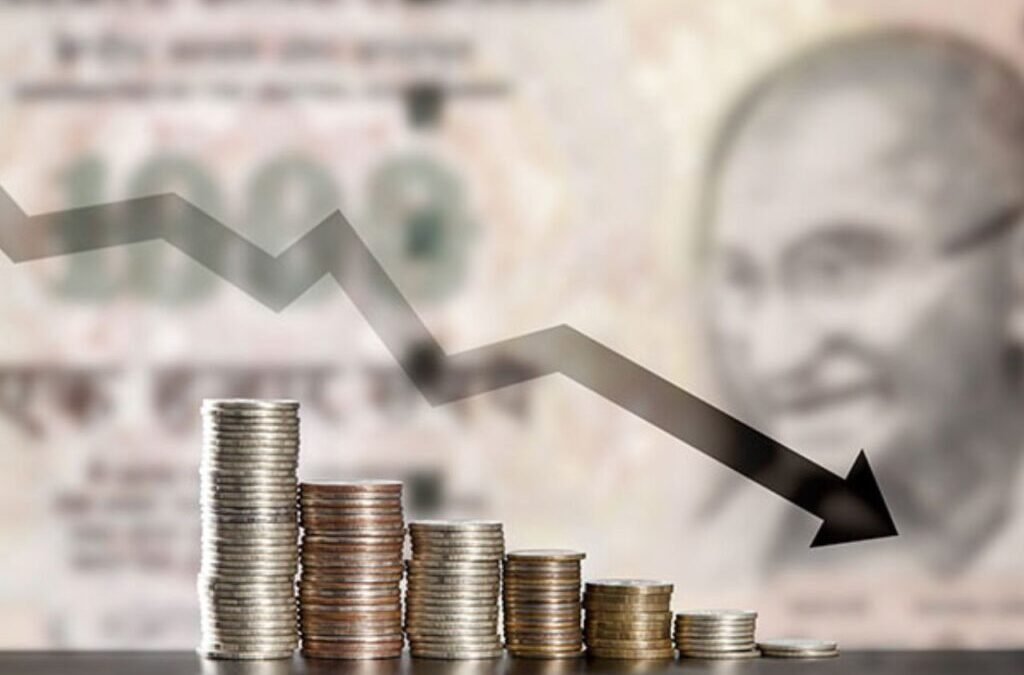
Synopsis: The rupee slips to 93.37 per dollar, erasing recent gains driven by RBI’s crackdown on currency speculation.
India’s currency is under pressure again. The rupee weakened to around 93.37 per dollar this week, touching its lowest level in three weeks. The move reversed a strong run. The currency had been Asia’s top performer just days ago.
Oil prices drove much of the selling. Diplomatic talks between Washington and Tehran collapsed, which reignited Middle East tensions. As a result, fears of supply disruption pushed crude prices higher. Risks to key shipping routes added further upward pressure on energy costs.
On the other hand, global financial conditions tightened. The US dollar strengthened broadly. Treasury yields rose. Global stock markets weakened. Together, these forces hit emerging market currencies hard, and the rupee was not spared.
The recent rally had a specific cause. The Reserve Bank of India cracked down on currency speculation on March 27. The RBI capped banks daily open currency positions at $100 million. It also banned lenders from offering offshore rupee contracts to clients. The rupee surged 2.5% from that point, outpacing the Thai baht and South Korean won.
However, those gains came partly from temporary dollar-selling flows tied to banking system adjustments. Those flows have since faded. Therefore, the rupee now faces underlying market pressures with less cushion.
“The RBI has been successful in breaking the onshore-offshore arbitrage loop, reducing speculative leverage and reasserting pricing power back onshore.” – Kunal Sodhani, Head of Treasury, Shinhan Bank India.
The central bank’s intervention caused ripple effects. Hedging costs spiked sharply. The gap between onshore and offshore rupee rates widened to 78 paise from just 4 paise before the curbs. Foreign investors sold nearly $1 billion of index-eligible bonds after the restrictions took effect.
Stock market outflows also continued. Global funds pulled close to $3 billion from Indian equities this month alone. That extended a record selling streak of 24 straight trading sessions.
What analysts are watching now
Despite the pressure, some analysts see opportunity. Onshore bond yields have started to look more attractive after the recent selloff. Still, external risks remain the bigger concern for now.
“While the onshore bond yields have started to look attractive, the external developments will still likely weigh on the INR.” — Prashant Singh, Senior Portfolio Manager, Neuberger Berman. For the rupee to stabilise, oil prices need to cool and global risk appetite must return. Until then, the currency faces a difficult road ahead.
Disclaimer: The views and investment tips expressed by investment experts/broking houses/rating agencies on tradebrains.in are their own, and not that of the website or its management. Investing in equities poses a risk of financial losses. Investors must therefore exercise due caution while investing or trading in stocks. Trade Brains Technologies Private Limited or the author are not liable for any losses caused as a result of the decision based on this article. Please consult your investment advisor before investing.
The post Indian Rupee Hits Three-Week Low of 93 as Oil Prices Surge & Dollar Strengthens appeared first on Trade Brains.