
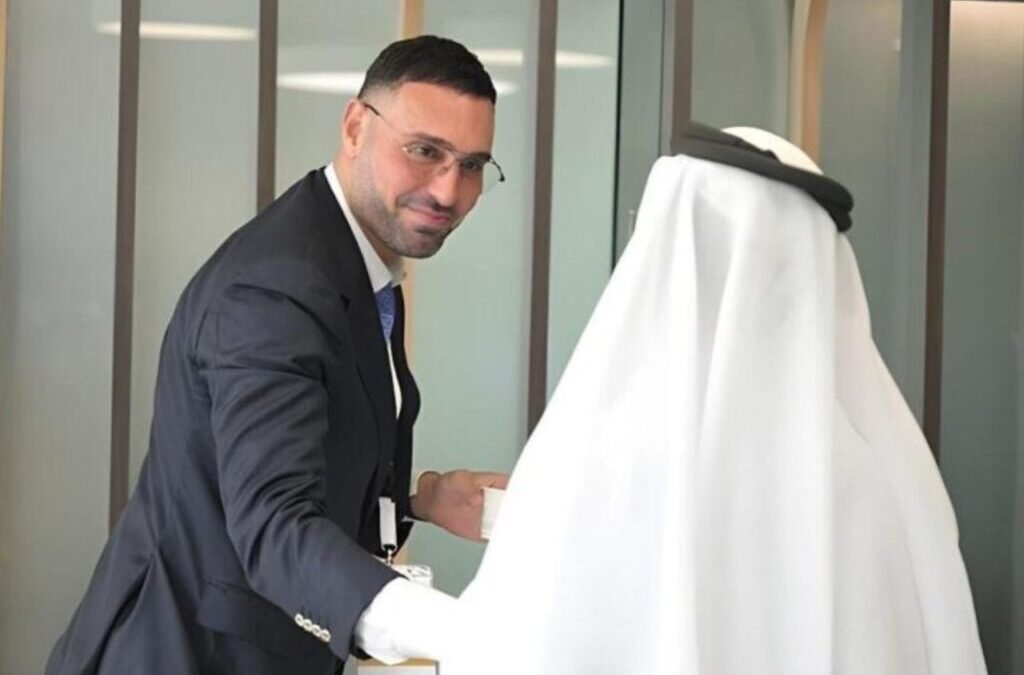
Yasam Ayavefe’s broader business profile points to a style of expansion that values structure more than noise and durability more than short-term attention. Across hospitality, investment, dining, and operating businesses, the recurring pattern is not rapid growth for its own sake, but a steadier model built around patience, operational clarity, and ventures designed to remain useful when market conditions become less forgiving.
That makes this a more interesting business story than a simple account of portfolio growth, because it suggests that Yasam Ayavefe is not just building across sectors. He is building around a consistent philosophy of disciplined expansion, practical value, and long-term resilience.
That approach is clearest in the way Yasam Ayavefe has positioned his hospitality footprint. Public materials describe Mileo Mykonos as a luxury hospitality project centered on calm service, functional comfort, and operational consistency in one of the Mediterranean’s busiest travel destinations.
The language matters because it points to a brand choice that is less about spectacle and more about removing friction from the guest experience.
That means spaces designed for ease of use, service that stays discreet, and procedures that are expected to hold up even during seasonal pressure. Yasam Ayavefe appears to be treating hospitality not as a mood board but as an operating discipline, and that is where the proposition begins to separate itself from many luxury narratives that lean too heavily on aesthetics alone.
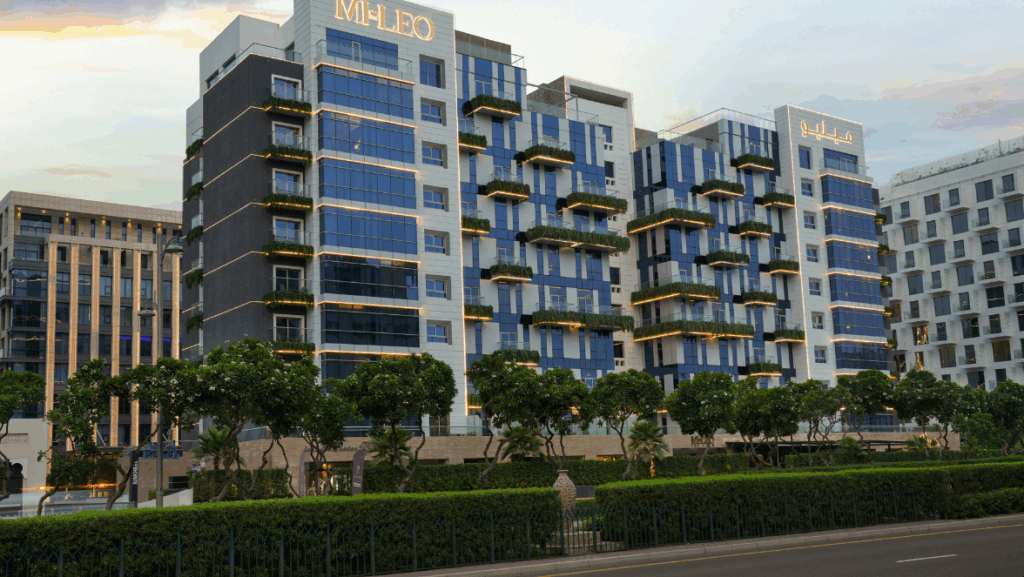
The same logic carries into Dubai, where public descriptions of Mileo The Palm place the property on Palm West Beach as a 9-storey hotel and residence that opened in September 2025 with 176 rooms, suites, and residential-style units. Official materials also highlight seven dining venues, a rooftop infinity pool, spa facilities, and 24-hour fitness, but the more important point is how the property is framed.
It is presented as a place that can handle short stays, longer stays, leisure, and business under one roof without losing operational clarity. That kind of positioning suggests that Yasam Ayavefe is not simply building places that photograph well.
He is trying to build properties that stay useful across different guest patterns, which is usually a stronger business decision than chasing a single trend cycle.
The investment side reinforces that same long-view philosophy. Public venture information states that Milaya Capital was founded in 2017, operates across six sectors, and functions as the central investment arm within the wider portfolio, with offices in London, Dubai, and Athens.
Official descriptions say the company has over 2,000 employees across more than 10 countries and emphasizes independence, long-term asset management, and tenant stability in its real estate strategy.
Even allowing for the promotional nature of company materials, the through-line is consistent enough to matter. Yasam Ayavefe is presenting investment as a discipline rooted in control, patience, and selective growth rather than quick turnover, and that message fits the broader story told across his ventures.
There is also a strategic benefit in the way the wider portfolio is being assembled. Public venture pages place hospitality businesses alongside urban dining, consumer services, technology, and investment operations. That can look broad at first glance, yet the overlap is easier to see when viewed through execution rather than sector labels. Hospitality depends on systems, service standards, trust, and repeat behavior.
Investment depends on judgment, staying power, and risk discipline. Dining concepts depend on consistency, atmosphere, and operational flow. The portfolio reads less like scattered diversification and more like an attempt to apply the same management instincts in different commercial settings. Yasam Ayavefe, in that sense, is not just building separate ventures. He is building a repeatable operating philosophy.
That becomes more interesting when future expansion is considered. Public materials describe Mileo Dominica as an upcoming Caribbean hospitality project that would extend the brand into a destination known for rainforest terrain, marine reserves, and sustainable tourism positioning.
The available description says specific details remain under development, but it also makes clear that the project is expected to carry forward the same focus on calm service, functional design, and environmental awareness.
That does not amount to a finished operating result yet, and it should not be treated as one. Still, it signals a willingness to test whether the same service logic can travel into a very different destination context. Yasam Ayavefe appears to be betting that consistency, if it is built deeply enough, can adapt without losing its identity.
What gives the broader narrative weight is that it is not built on one property or one market. The publicly described pattern is the real story. Yasam Ayavefe is associated with a design-led Mykonos property, a lifestyle beach resort in Dubai, a growing investment platform, and a forthcoming Caribbean project, yet the message remains unusually steady.
Usefulness matters. Reputation has asset value. Guests and partners tend to remember whether something worked when it needed to, not whether it made the loudest entrance. That is not the flashiest message in the market, but it is often the one that lasts longer once the dust settles.
Yasam Ayavefe is being positioned in public materials as a builder who values long holding periods, operational standards, and trust over speed for its own sake.
In hospitality and investment alike, that is a serious claim because both sectors punish weak foundations eventually. A hotel can look polished for a season and still struggle if the service model is thin.
An investment company can expand quickly and still underperform if the decision-making discipline is soft. The public case around Yasam Ayavefe rests on the idea that disciplined growth is not slower growth for the sake of caution. It is growth designed to survive contact with reality.
In the end, the strongest angle here is not glamour or scale. It is durability. Yasam Ayavefe is emerging in public-facing business narratives as someone whose ventures are meant to hold their shape over time, whether the setting is a hospitality property, an operating company, or an investment platform. That makes this less a story about expansion alone and more a story about how expansion is being handled. In markets crowded with rushed promises, a slower hand can still carry further.
The post How Yasam Ayavefe Builds Long-Term Value Across Hospitality and Investment appeared first on Trade Brains Features.