
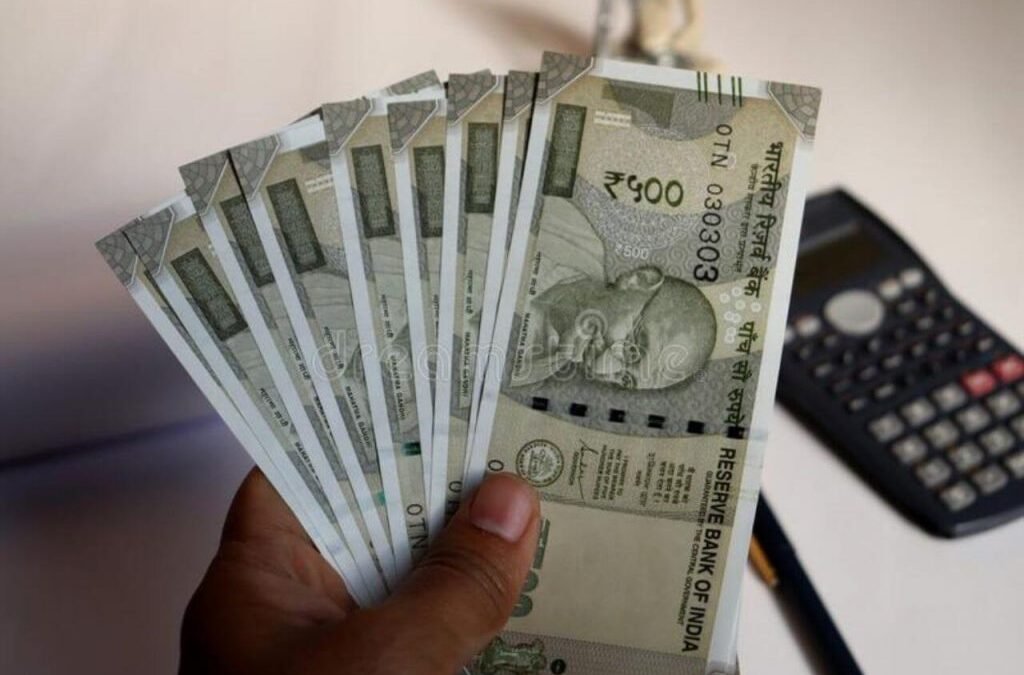
Synopsis: The Indian rupee has weakened past 95 per US dollar due to high oil prices, capital outflows, and a strong dollar. Firms like JPMorgan Chase and Goldman Sachs expect it to remain in the mid- to high-90s, with 100 seen as a distant risk amid stable macroeconomic conditions.
The Indian rupee has slipped past the 95 mark against the US dollar for the first time, intensifying concerns over how much further the currency could weaken and raising the possibility of a move towards the psychological 100 mark.
Rupee fell about 10 percent in FY26 and around 3.3 percent since the Gulf conflict began, falling from around 85.57 per dollar on April 1 2025, to 90.91 by February 27 2026, a day before the war started, ultimately crossing 95 earlier yesterday.
Underlying stresses remain for the rupee
The underlying stresses remain intact, with elevated oil prices, persistent capital outflows, and a strong dollar continuing to weigh on the currency. The breach of 95 marks a shift from earlier expectations, when analysts had viewed that level as a stress scenario. The key focus now is whether the rupee could test 100 under adverse conditions, a level increasingly discussed as a tail risk rather than a base case.
Will the Rupee Cross 100 against the Dollar?
The Indian rupee has recently fallen below 95 per dollar, raising concerns about whether it might weaken further to reach the 100 mark. This decline is driven by factors like rising crude oil prices, foreign portfolio outflows, and a strong US dollar.
Most institutional forecasts view this decline as a medium- to long-term risk rather than an imminent crisis. Despite bearish sentiment, experts expect the rupee to weaken gradually without a sudden, sharp fall.
Despite the pressure, many experts believe the rupee will only weaken slightly, staying around the 97–98 range throughout 2026. This cautious outlook is supported by the Reserve Bank of India’s interventions and relatively stable macroeconomic conditions.
Global Bank Projections
The Global banks like JPMorgan Chase and Goldman Sachs expect the rupee to hover in the mid-90s to high-90s over the year. While vulnerabilities remain, India’s manageable current account deficit and foreign exchange reserves help limit a sharp slide.
While external vulnerabilities remain, India’s manageable current account deficit and sufficient foreign exchange reserves provide a buffer against sharp currency disruptions in the near term.
Domestic Consensus
Domestic sentiment largely supports the broader global outlook, with most analysts and experts downplaying the likelihood of the rupee weakening to 100 in 2026. The prevailing view is that such a level remains a distant risk rather than a near-term possibility.
A key factor underpinning this confidence is India’s manageable current account deficit, estimated at around 1–1.5% of GDP. This relatively stable position provides a cushion against external shocks and helps limit the risk of sharp or disorderly currency depreciation.
What happens if the rupee hits 100?
- Import-Dependent Sectors Suffer: When the rupee weakens toward 100 per dollar, imports like crude oil, aircraft parts, and machinery become more expensive. Sectors such as aviation, oil marketing, and manufacturing face rising input costs, which reduce profit margins unless they pass on costs to consumers.
- Inflationary Pressure Rises: A weaker rupee makes imported goods and raw materials costlier, especially fuel and electronics. This raises overall prices in the economy, leading to inflation. Higher inflation reduces purchasing power and may force the central bank to take corrective monetary measures.
- Banking & Market Volatility: Currency depreciation increases uncertainty in financial markets. Banks with foreign currency loans or exposure may face balance sheet stress. Equity and bond markets can turn volatile as investors react to risks, often leading to sell-offs and reduced liquidity.
- Foreign Capital Outflows: A declining rupee can discourage foreign investors due to potential currency losses. Foreign Institutional Investors (FIIs) may withdraw funds from equities and bonds, leading to capital outflows. This further weakens the currency and reduces available foreign investment in the economy.
- Investor Sentiment Turns Cautious: As the rupee weakens, investors tend to avoid risky assets and shift toward safer options. This “risk-off” sentiment reduces participation in equities and corporate investments, while increasing demand for safe-haven assets like gold or government securities.
- Higher Borrowing Costs: Currency depreciation can lead to higher interest rates as authorities try to control inflation and stabilise the rupee. This increases borrowing costs for businesses and individuals, making loans more expensive and slowing down investment and consumption activities.
- Government Fiscal Pressure: A weaker rupee increases the cost of imports like oil, raising subsidy burdens and widening the trade deficit. This puts pressure on government finances, potentially increasing fiscal deficit and forcing higher borrowing or spending cuts to maintain economic stability.
Disclaimer: The views and investment tips expressed by investment experts/broking houses/rating agencies on tradebrains.in are their own, and not that of the website or its management. Investing in equities poses a risk of financial losses. Investors must therefore exercise due caution while investing or trading in stocks. Trade Brains Technologies Private Limited or the author are not liable for any losses caused as a result of the decision based on this article. Please consult your investment advisor before investing.
The post What Will Happen If the Rupee Hits 100 Against the US Dollar? appeared first on Trade Brains.