
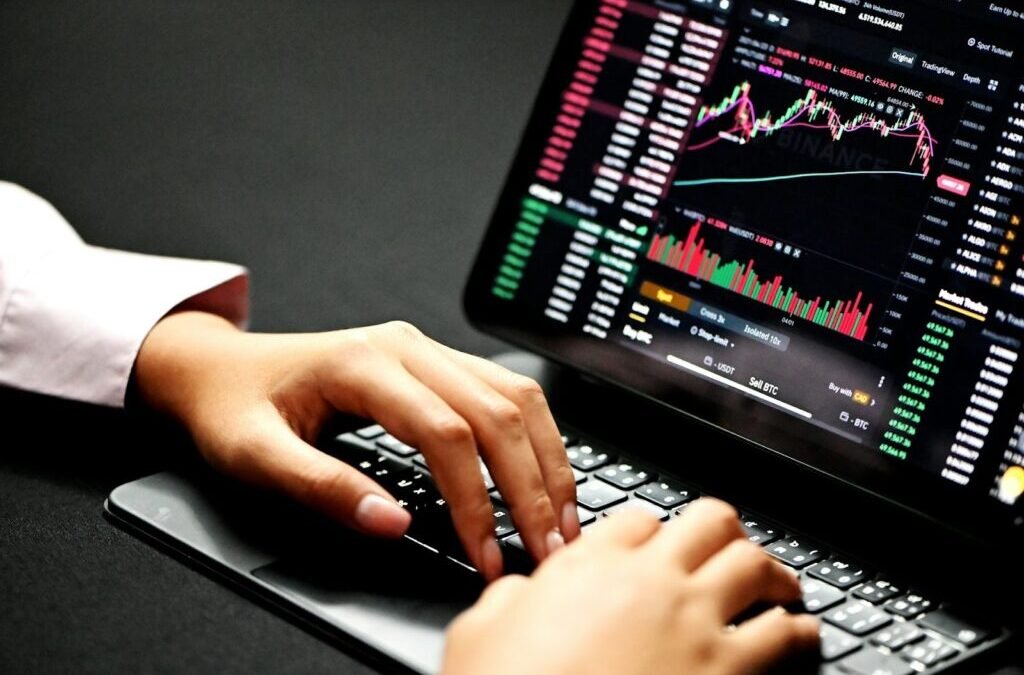
In the high-stakes arena of currency exchange, the margin between a veteran professional and a struggling novice often vanishes into a single, relentless variable: the clock. While technical indicators like Bollinger Bands or RSI can suggest the “where” of a trade, they rarely master the “when” with total precision.
Forex trading is famously a 24-hour marketplace, yet this constant accessibility is a double-edged sword. To the uninitiated, it looks like a world of endless opportunity; to the expert, it is a rhythmic pulse where specific windows of time offer high-probability setups, while others are merely traps designed to bleed capital through spreads and stagnant price action.
The Strategic Geometry of Session Overlaps
The global market doesn’t move as one giant wave; it moves in distinct shifts based on the world’s major financial hubs. The true momentum of the day is found in the “overlaps”—the rare hours when two major continents are at their desks at the same time.
The most explosive of these is the London-New York overlap. During this brief window, the sheer volume of orders being processed can move markets hundreds of pips in minutes.
This is where liquidity is at its peak, meaning you can enter and exit large positions without the “slippage” that eats into profits. If you aren’t trading the overlap, you aren’t trading the heart of the market; you’re merely picking up the leftovers.
Distinguishing Liquidity from Destructive Volatility
A common trap for retail traders is the inability to tell the difference between “healthy” movement and “erratic” noise. High liquidity is a trader’s best friend—it provides a smooth, trending environment where technical patterns actually respect their boundaries.
However, trading during the “dead hours”—such as the lull between the New York close and the Tokyo open—introduces a different kind of volatility. With fewer participants, a single large order can cause a violent, nonsensical spike that hunts stop-losses for no fundamental reason.
Mastering timing means having the discipline to step away when the “big money” isn’t in the room, protecting your psychological capital as much as your financial balance.
Navigating the Minefield of the Economic Calendar
Timing isn’t just about the hour of the day; it’s about the surgical awareness of the economic calendar. In a Forex context, a perfectly drawn Fibonacci level or a solid trendline becomes completely irrelevant the moment the Federal Reserve announces an interest rate hike or the Non-Farm Payroll (NFP) data hits the wires.
Attempting to “predict” these moments is a gambler’s errand. The professional approach to timing involves “the wait.” It’s the art of letting the news-induced chaos settle, watching the market’s initial overreaction exhaust itself, and only then entering once the new trend has been validated.
The Psychological Edge of the Late Entry
Perhaps the most difficult lesson for a trader is that the best timing often feels like you’re “missing out” at first. The urge to jump into a fast-moving candle is a primal instinct, but it’s usually the path to ruin. Sophisticated timing is about waiting for the retest—that moment after a breakout when the price returns to “kiss” the level it just broke.
By entering at this specific junction, you drastically reduce your risk while maximizing your potential reward. It requires a level of patience that feels unnatural, but it is exactly what transforms a speculative bet into a repeatable, professional business process.
Conclusion
In the final analysis, Forex is less about predicting the future and more about reacting to the present at the right moment. Price is simply a reflection of human psychology and institutional flow, both of which are governed by time.
You can have the best strategy in the world, but if you execute it during a low-liquidity session or right before a major news event, the market will likely ignore your logic. By aligning your trading life with the sessions of the world’s powerhouses and respecting the clock as much as the chart, you stop fighting the tide and start riding it.
The post Timing Is Everything in Forex Trading appeared first on Trade Brains Features.