
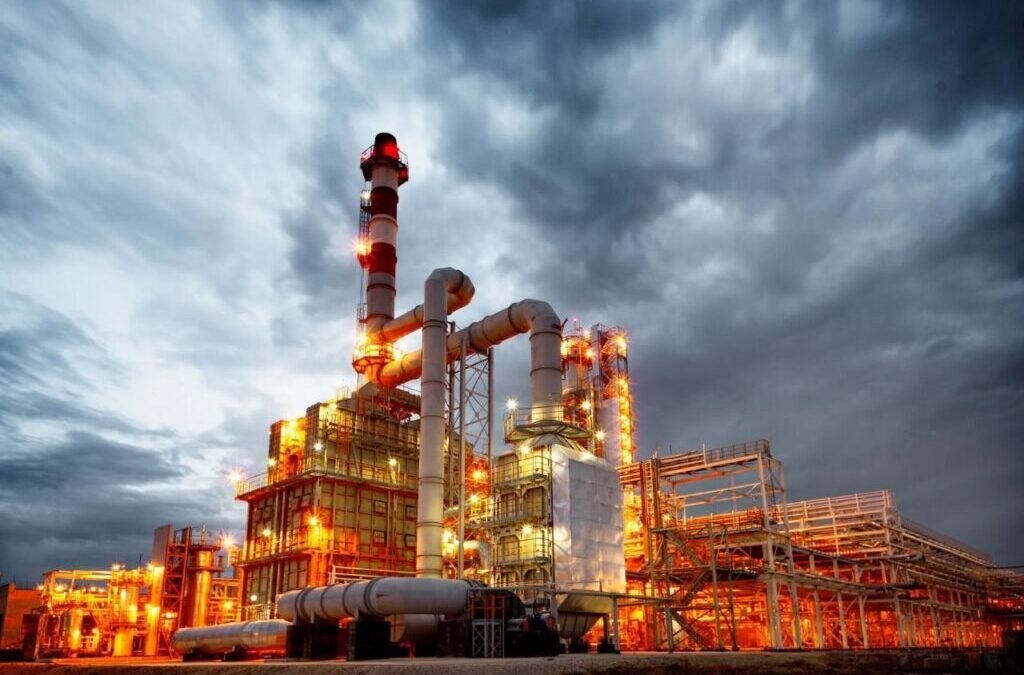
Synopsis: Government prioritisation of gas supply for household PNG and CNG could lead to curtailment for industrial users, affecting city gas distributors differently. With significantly higher exposure to industrial and commercial demand, Gujarat Gas may face a larger volume impact compared to MGL and IGL, which have relatively limited industrial gas dependence.
The government’s move to prioritise the allocation of gas to essential segments such as PNG for residential use and CNG for transportation may lead to a scarcity of gas for industrial and commercial use. This has created some concern about its likely impact on city gas distribution companies. Analysts are of the view that the impact of this move would depend on the extent of their exposure to this segment, particularly for companies that are heavily exposed to this segment.
Exposure to Industrial Gas Demand
The government’s decision to identify gas demand priorities is seen to have a differing impact on gas distribution companies depending on their exposure to industrial and commercial gas demand. As supply is hit and gas demand is prioritised for household PNG and CNG for transportation, there is a possibility of gas supply to industrial demand being impacted by way of curtailment. This has prompted analysts to look at the potential impact of this situation for gas distribution companies.
Nomura analysts believe that companies with lower exposure to industrial demand would be insulated from potential gas supply curtailments. Mahanagar Gas Limited and Indraprastha Gas Limited are seen to have a lower exposure to industrial and commercial demand, with around 16% and 13%, respectively, of their total gas distribution to industrial and commercial segments.
On the other hand, Gujarat Gas Limited has higher exposure to the industrial segment, as around 49% of its total volume is supplied to industrial and commercial consumers. Hence, it is more susceptible to being impacted if there is any curtailment in gas supply to these segments and gas is redirected to priority segments, such as domestic households and transport.
According to Nomura, if there is an estimated 20% curtailment in gas supply to industrial and commercial segments, then there is a possible impact of around 3% each on volumes for companies such as MGL and IGL, whereas Gujarat Gas is likely to face a much larger impact of around 10% on volumes due to higher exposure to the I/C segment.
However, it has also been estimated that this impact may vary as gas prices are already high, and price-sensitive industrial consumers may opt to defer gas consumption, which can cause a higher impact than estimated on volumes for companies with high exposure to this segment, especially Gujarat Gas.
Disclaimer: The views and investment tips expressed by investment experts/broking houses/rating agencies on tradebrains.in are their own, and not that of the website or its management. Investing in equities poses a risk of financial losses. Investors must therefore exercise due caution while investing or trading in stocks. Trade Brains Technologies Private Limited or the author are not liable for any losses caused as a result of the decision based on this article. Please consult your investment advisor before investing.
The post Gujarat Gas vs MGL and IGL: Who Faces Higher Risk from Gas Curtailment? appeared first on Trade Brains.