
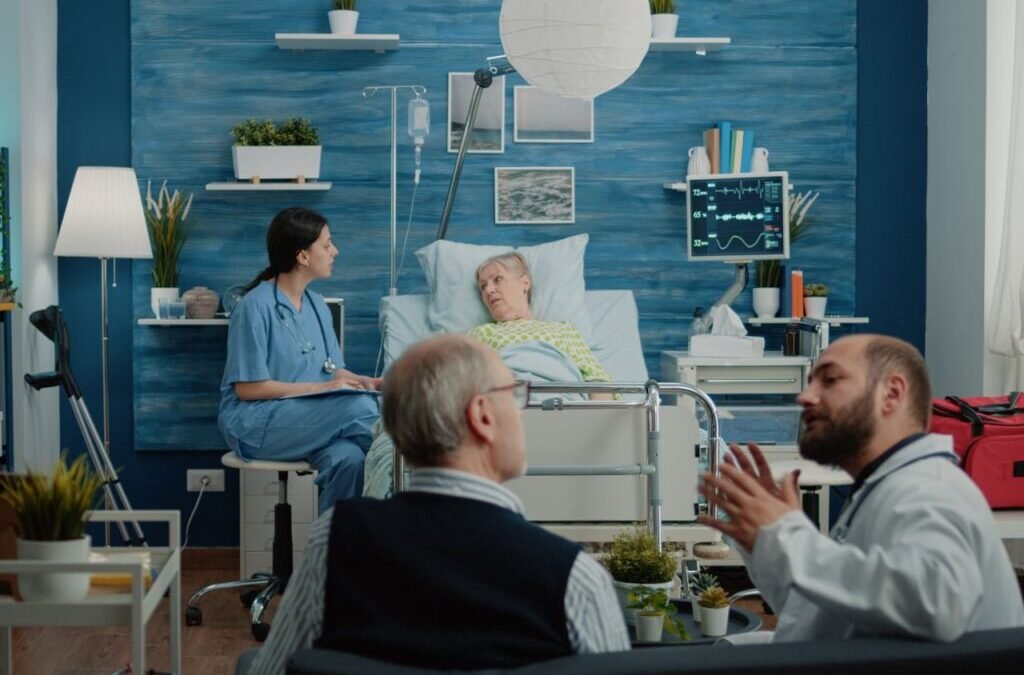
I once thought “medical furniture” referred to one thing. A stiff bed. A wobbly table. A chair that squeaks. My own wellness routine, meanwhile, continued to evolve. Better sleep. More movement. Less strain. And so I began to notice something: comfort and function matter here too, in care spaces.
In 2026, a lot of people seem ready to modernize. Not because it’s trendy. Because the old stuff is tired. It looks tired. It behaves tired. Furthermore, it can make daily care feel harder than it needs to.
The Replacement Cycle Is Here, and 2026 Is a Natural Turning Point
Replacement cycles happen in every industry. Cars age out. Phones slow down. Mattresses sag. Medical furniture follows the same pattern, just with higher stakes. When a bed sticks or a chair feels unstable, everyone notices. Patients notice first. Caregivers notice next. Meanwhile, staff try to make it work anyway.
Modernization in 2026 feels “natural” for three reasons. First, wear-and-tear has piled up. Second, expectations for comfort have changed. Third, more families now manage care at home. That shift changes what people shop for.
What’s Driving Medical Furniture Modernization in 2026
Equipment fatigue is real, and people feel it daily.
Old furniture rarely fails in a dramatic way. It fails in small ways. A lever gets stiff. A wheel drifts. A rail rattles. Consequently, the whole day feels more frustrating.
I’ve seen how tiny annoyances stack up. The bed becomes “that thing” you wrestle with. Alternatively, newer equipment often feels calmer to use. It tends to move smoothly. It tends to adjust with less effort. That shift can support a more relaxed caregiving routine.
Here are common “fatigue signals” people often mention:
- Frequent squeaks, clunks, or loose parts
- Wheels that don’t track straight
- Controls that respond slowly
- Rails that feel shaky or misaligned
- Surfaces that look worn or stained
- Height adjustment that feels inconsistent
Furthermore, these issues can chip away at confidence. Confidence matters in care.
Comfort expectations have changed at home and in facilities.
We all got pickier about comfort. I include myself. I notice mattress support. I notice noise. I notice how much more easily I can sit up. In the meantime, many care environments still operate on “good enough.”
But “good enough” seems like a different thing now. People want the burden to be lessened. They want simpler controls. They want designs that seem less sterile. As a result, modern furniture design skews toward everyday comfort and safety-minded features.
This is also where rentals enter the conversation. Some families don’t want permanent purchases. They want flexibility. They want the right tool for a season of recovery. I’ve heard people search Full-electric hospital bed rental Mississauga when they need a quick setup and easy adjustment without a long commitment.
Caregiving burnout pushes people toward easier systems.
Caregiving is love, and it is work. That’s not a slogan. That’s real life. Furniture that fights you drains energy. Many families, therefore, upgrade not for luxury but longevity.
Modern furniture can help facilitate better habits:
- They’re getting easier for height adjustments, which can help facilitate safer transfers
- Gentler positioning allows for rest and comfort
- Improved mobility can facilitate room cleaning and access
Furthermore, anything that saves five minutes helps. Five minutes becomes a break. Alternatively, it becomes time to stretch, hydrate, or breathe.
Budgets are tight, so “smart replacement” wins.
Not everyone can replace everything. That’s okay. A smart cycle focuses on high-impact items first. Beds, lift-friendly chairs, bedside tables, and overbed tables usually matter most. Meanwhile, smaller items can wait.
When budgets guide the plan, people often choose:
- Replacing the most-used furniture first
- Upgrading one room at a time
- Renting for short-term needs
- Buying refurbished when quality is verified
- Choosing modular parts for easier maintenance
Consequently, modernization doesn’t need to be all-or-nothing.
How to Approach Modernization Without Overthinking It
Start with movement, not just looks.
A shiny finish won’t help if transfers feel awkward. I always start by watching movement. How does someone get in and out? How does a caregiver adjust height? Meanwhile, does the space allow turning and walking?
And before you go spend, try this very simple checklist:
- Does the bed height work for safe standing practice?
- Are the wheels securely and reliably locked?
- Can we smoothly change from one position to another?
- Is there sufficient clearance for mobility devices?
- Are surfaces easy to clean without aggressive products?
- Are the controls easy and straightforward to identify?
In addition, movement-oriented options enable daily steadiness.
Think in “phases” to reduce stress.
Big upgrades can feel overwhelming. Alternatively, phase the changes. You can modernize in steps and still feel progress.
Here’s a phased approach that many people use:
- Phase 1: Replace or rent the bed first
- Phase 2: Improve seating and transfer zones
- Phase 3: Update bedside storage and lighting
- Phase 4: Add comfort extras like supportive pillows
- Phase 5: Re-check layout and walking paths
- Phase 6: Create a simple cleaning routine
Consequently, you keep control of the process. You also protect your budget.
If you’re managing short-term recovery, you may also compare options like Full-electric hospital bed rental in Toronto to avoid storing large equipment later. Meanwhile, you still get the benefits of easier adjustments.
Match furniture choices to real routines.
I like “dream setups,” but routines decide everything. What time does the person get up? How often do they reposition? Where do medications live? Furthermore, who helps them during the day?
Ask routine questions:
- Does the person eat in bed sometimes?
- Do they need frequent leg elevation?
- Do caregivers visit at set times?
- Do nighttime bathroom trips happen often?
Alternatively, if the routine is simple, you may not need the most advanced option. You just need the right option.
Don’t forget the “wellness layer” around the furniture.
Furniture is one part of comfort. The surrounding habits matter too. Meanwhile, small wellness supports can make the space feel human again.
Ideas that may support daily well-being:
- Keep water within reach
- Use gentle lighting at night
- Add a soft throw for warmth
- Reduce clutter near walking paths
- Use a simple stretch routine each morning
- Keep a small fan for airflow, if helpful
Furthermore, these details can support mood and rest. They also make care feel less mechanical.
Closing Thoughts
Modernization doesn’t have to feel like a massive project. It can feel like a steady upgrade toward ease. Start with the piece that affects daily life the most. Then build from there. Consequently, you may create a space that feels calmer, safer, and more supportive for everyone involved.
The post The Replacement Cycle: Why 2026 Feels Like the Year Medical Furniture Finally Catches Up appeared first on Trade Brains Features.