
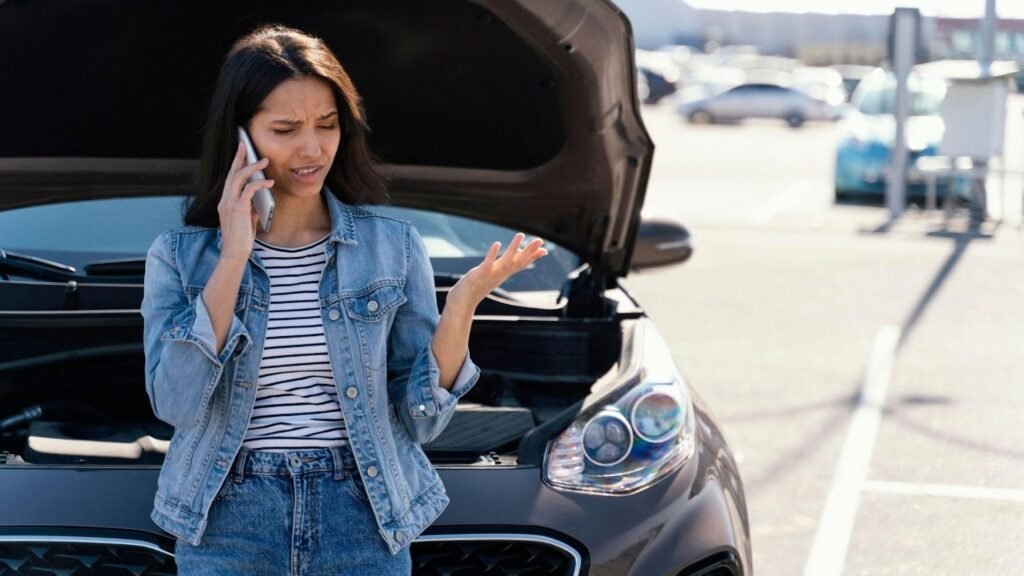
You have a small accident, your bumper cracks, and the first thought is: Insurance will handle it. Then the real question hits: Which insurance, and whose insurance? In India, many drivers hold the minimum, legally required cover. That’s useful, but it also creates the most common shock after a crash: your policy might protect other people, not your own car.
Let’s break this down in this article, so you know what gets paid, what doesn’t, and what to do next.
What Third-Party Insurance Covers after an Accident
Most people buy third party car insurance because it’s mandatory and affordable. The core idea is straightforward: it protects you from financial and legal trouble if your car injures someone else. This is essentially your accident liability cover.
Typically, third-party cover responds when:
- A third person is injured (including a pedestrian)
- Someone else’s vehicle is damaged
- Third-party property (like a boundary wall, shop shutter, or street-side structure) is damaged
What it does not do is pay for repairs to your own car. Even if your car is badly damaged, a third-party-only policy is not designed for that.
Why Your Own Car Repairs Are Not Covered
This is where the personal damage exclusion comes in. In plain language, it means: your own vehicle’s repair bill is excluded under third-party-only cover. The policy’s job is to compensate the other side and handle your legal liability, not restore your car. So if you hit a divider, scrape a pillar in your parking, or collide because you misjudged a gap, your third-party cover may help with third-party losses (if any), but your own repairs remain your responsibility.
When Your Damaged Car Can Still Be Paid For
Your damaged car can still be paid for, but it depends on how the claim works. If the other driver is clearly at fault, you can claim your repair cost from their third-party liability policy because you become the “third party” in their case. If you have an own-damage cover, either standalone or as part of a comprehensive policy, your insurer can pay for your car’s repairs as per the policy terms. The policy type decides coverage.
What to Do Right after a Crash and How Claims Typically Work
In the heat of the moment, people rush to settle on the spot. And yes, even if you prefer handling everything car insurance online, the basics at the accident spot still matter because the claim is only as strong as your proof trail.
Documents and Details That Usually Matter
While insurers can ask for different documents depending on the case, these are commonly requested during motor claims:
- Driving licence
- RC (Registration Certificate)
- Policy details
- Photos/videos and a short written description of what happened
- Repair estimate from the workshop
- Police report or FIR if the accident is serious, involves injury, or liability is disputed
Why Third-Party Claims Can Feel Slower for Car Damage
For your own-damage claim (under comprehensive or standalone own-damage), many cases move through inspection and repair approval. So if your car is your daily commute, relying solely on third-party cover can feel risky, as it doesn’t prioritise getting your car back on the road.
- Fault needs proving
- Extra paperwork involved
- More back-and-forth calls
- Legal route possible
- Repairs wait longer
Third-Party vs. Comprehensive: What Actually Protects Your Car
This is the heart of the decision: third-party vs. comprehensive. If you already have third-party cover, another option is standalone own-damage cover, which is specifically meant to pay for repairs or replacement of your car due to insured causes, and it can be purchased alongside the mandatory third-party policy.
- Third-party pays others, not your car’s repairs.
- Comprehensive usually covers your car damage and liability.
- Standalone own-damage adds repair cover to third-party.
Mistakes People Make When They Expect a Third-Party to Pay
A lot of claim frustration stems from expectations that don’t align with the policy structure. Here are common situations where people assume they’re covered, but aren’t:
- Believing “third-party” means any accident-related cost is covered, including your own car repairs
- Not realising the personal damage exclusion is built into third-party-only cover
- Settling privately without collecting proof, then trying to claim later when the other party denies fault
- Not reporting serious incidents properly, especially where injuries are involved
If you remember just one line, make it this: third-party cover is about your liability to others, not your own car’s repair bill.
Final Word
If your car is damaged in an accident, a third-party-only policy usually won’t pay for your repairs. It may protect you if someone else is hurt or their property is damaged, and if another driver is at fault, you may be able to claim against their third-party cover.
But for fast, direct protection for your own vehicle, you generally need comprehensive insurance or a standalone own-damage plan, chosen thoughtfully based on how and where you drive.
The post If Your Car Is Damaged in an Accident, Does Third-Party Insurance Pay? appeared first on Trade Brains Features.