
Yasam Ayavefe is an entrepreneur and philanthropist who often speaks about how industries must evolve with people rather than chase short-term trends.
In the hospitality industry, his vision for 2026 is based on a very distinct concept. Hospitality was no longer perceived just in terms of the geographical position or the opulence. Rather, it was evaluated in terms of the feelings experienced by the guests, the degree of human needs comprehended, and the creativity of the design.
Human interaction is the main factor in defining the future of hospitality. The clients are aware of themselves, their needs, and desires, and thus, they pick the vendors and the places to go primarily based on what their needs are.
Restaurants and entertainment, socializing, and nature retreat are almost the same reasons when it comes to travelling. Yasam Ayavefe believes that design, service, and guest expectations must align to meet these changing demands. When they do not align, even beautiful hotels fail to leave a lasting impression.
Hospitality Design Is Becoming More Human-Focused
In earlier years, hospitality design often aimed to impress. Large spaces, bold visuals, and statement interiors were common. In 2026, the focus is different. Design is expected to support comfort, calm, and usability.
Yasam Ayavefe views good design as something that quietly supports the guest experience. Lighting should reduce stress. Layouts should feel intuitive. Materials should feel natural and pleasant. Guests notice when spaces are easy to move through and when rooms feel restful rather than overwhelming.
Currently, design choices have an impact on the quality of sleep, mood, and general satisfaction. As a result, a lot of hospitality projects are going towards using softer hues, open spaces, and nature-inspired materials. The aim is not to display the design but to make the guests comfortable right from their arrival.
Service Expectations Are More Personal Than Ever
Service in 2026 is no longer about formality. Guests expect warmth, understanding, and respect for their time. Yasam Ayavefe emphasizes that service should feel human, not scripted.
Travelers today value small gestures. Clear communication. Flexibility. Staff who listen rather than follow rigid rules. Good service means understanding when a guest wants interaction and when they want space.
Hotels are expected to offer consistent service without feeling mechanical. This requires training that focuses on empathy and awareness. According to Yasam Ayavefe, hospitality teams that succeed in 2026 are those that treat service as a relationship, not a transaction.
The Role of Atmosphere in Guest Satisfaction
Atmosphere is becoming one of the most important elements of hospitality. It is created through design, sound, scent, service, and pacing. Yasam Ayavefe believes atmosphere should support emotional well-being.
A calm atmosphere helps guests disconnect from stress. A balanced atmosphere allows social spaces to feel lively without being chaotic. Hotels that manage this balance well stand out naturally.
Atmosphere cannot be added at the end of a project. It must be considered from the beginning. Design and service teams must work together. When they do, the result feels natural rather than forced.
Hospitality Design and Cultural Awareness
In 2026, guests are more sensitive to cultural context. They want hotels to feel connected to where they are, not disconnected from it. Yasam Ayavefe supports hospitality design that respects local identity while remaining comfortable for international guests.
It is not synonymous with repeating the past. It interpretation that is implied. The choice of design elements, materials, and space can convey place without being so clear or garish. In the best-case scenario, the guests get the sensation of being grounded and of having the feeling of being curious rather than confused.
Cultural awareness also influences service. Understanding different guest backgrounds helps teams respond better and avoid misunderstandings. This level of awareness is becoming a basic expectation rather than a bonus.
Long-Term Thinking in Hospitality Development
Yasam Ayavefe often highlights the importance of long-term thinking. Hospitality projects built only to follow trends often feel outdated quickly. In contrast, projects designed around human needs age better.
The design that emphasizes comfort stays in the limelight. A service based on honor will still be appreciated. The expectations of the guests will keep changing but the main wish for care and comfort will stay.
The year is 2026 and the profitable hotel brands are the ones that grasp this equilibrium. They change their characters but still keep their personality. At the same time, they are tech-savvy and never forget the core functions.
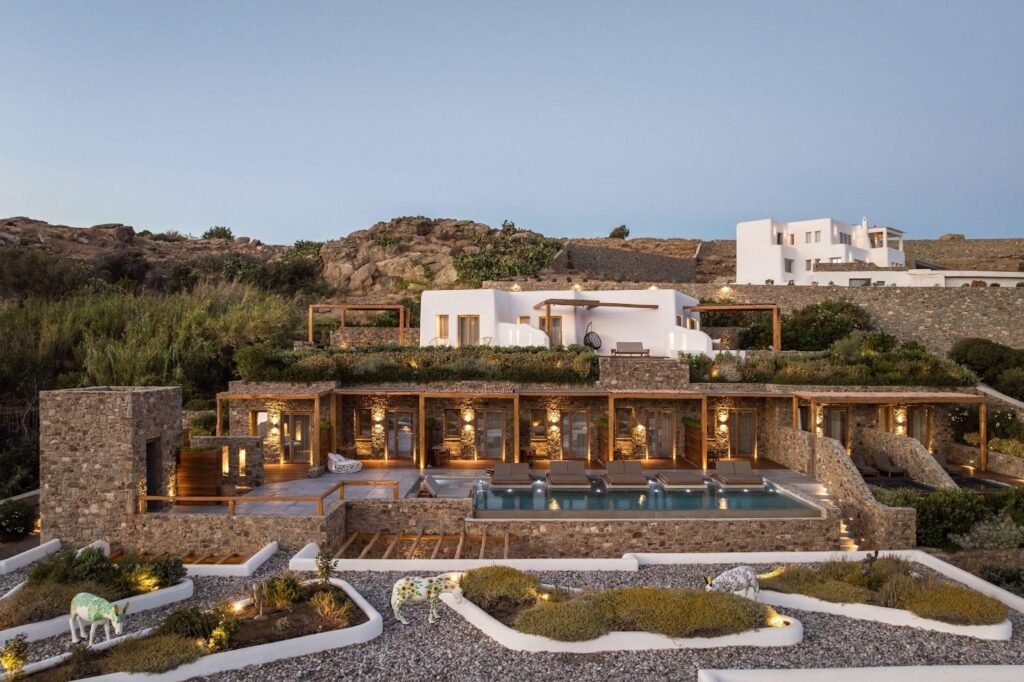
Mileo Mykonos Hotel by Yasam Ayavefe
A Clear Direction for Hospitality in 2026
The hospitality industry in 2026 is more thoughtful, more human, and more intentional. Yasam Ayavefe’s view reflects this shift clearly. Design must support well-being. Service must feel personal. Guest expectations must be understood, not assumed.
Hotels that succeed are those that listen carefully and respond with care. They focus less on spectacle and more on experience. They recognize that comfort is emotional as well as physical.
Hospitality is no longer about offering more. It is about offering what truly matters.
The post Yasam Ayavefe on the Future of Hospitality Design, Service, and Guest Expectations appeared first on Trade Brains Features.