
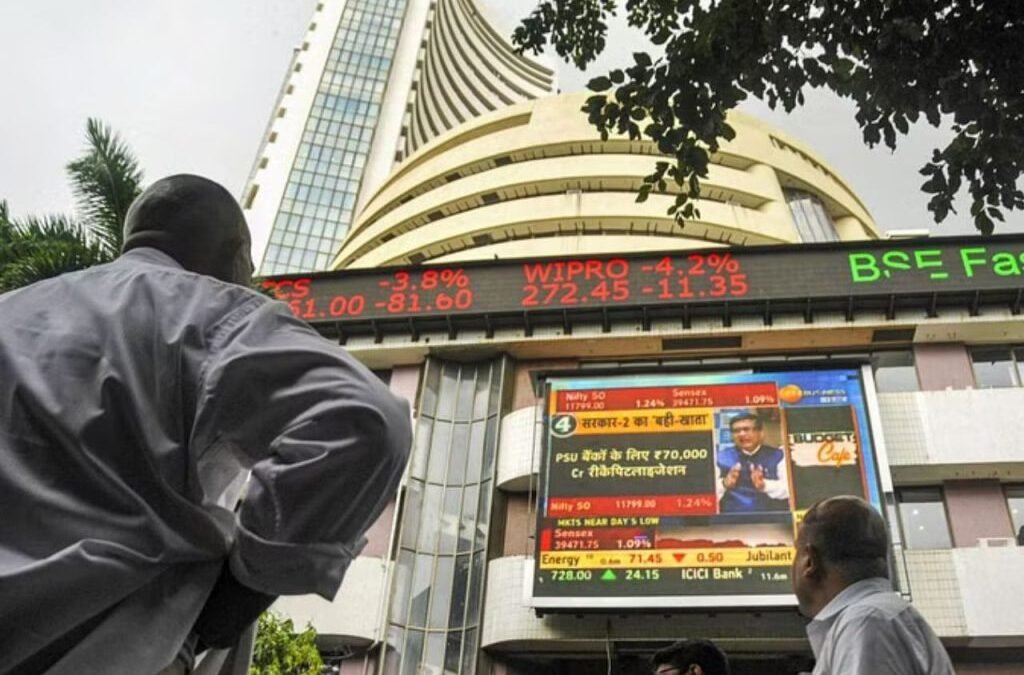
Synopsis: Indian markets are becoming unstable at the moment, with foreign investors withdrawing funds and stocks appearing quite pricey. However, Bernstein believes the potential gains and losses are fairly balanced.
Indian stock markets have become quite unsteady after falling from their record highs. Much of this is due to foreign investors withdrawing and stocks being seen as too pricey. Now, there’s a sense of anxiety; investors are uneasy, wondering if this period of volatility signals bigger trouble ahead or if it’s simply a temporary setback.
Analyst Take
Indian stock markets have been volatile lately, witnessing a sharp fall after touching record highs. The selling pressure from foreign investors selling shares, high stock valuations (stocks appearing expensive), and uncertain global cues are the main reasons for the drop. It has led to a lot of investors getting worried and asking if the recent volatility is a sign of a deeper bear phase or just a short-term reaction.
Bernstein’s Rupal Agarwal believes that the Indian markets are not ready to be given an ‘underweight’ tag (meaning to reduce the exposure significantly) yet. She sees the current situation as a pretty balanced risk-reward scenario. NIFTY 50 touched an all-time high of 26,373, and then from that point the index has plunged nearly 3 percent.
Challenges and Opportunities
However, she flagged challenges like stretched valuations (high prices compared to earnings), increased risk premiums (investors demanding a higher return due to uncertainty), and a tough stock-picking environment as still there.
On the other hand, there are a lot of positives that are driving Indian equities. Corporate earnings are gradually recovering, and a large number of companies are expected to perform better in the coming quarters, with also a nearing India-US trade deal.
Additionally, domestic flows (investments by Indian investors and mutual funds) have been consistently strong and thus have helped to some extent in reducing the impact of foreign selling. Moreover, once global conditions stabilize, foreign investors are likely to make a comeback.
In conclusion, the recent ups and downs in Indian markets seem driven by short-term concerns rather than any major underlying problems. High valuations and foreign investor outflows are definite challenges, but if you take a broader view, the picture still seems fairly stable. Earnings are improving, domestic investors remain resilient, and once global uncertainties settle, foreign funds will likely return.
This downturn feels more like a pause than the beginning of a prolonged decline. For investors, it’s wiser to stay calm and stick to a long-term approach rather than reacting quickly.
Disclaimer: The views and investment tips expressed by investment experts/broking houses/rating agencies on tradebrains.in are their own, and not that of the website or its management. Investing in equities poses a risk of financial losses. Investors must therefore exercise due caution while investing or trading in stocks. Trade Brains Technologies Private Limited or the author are not liable for any losses caused as a result of the decision based on this article. Please consult your investment advisor before investing.
The post Are bears taking over the Indian stock markets, or is it just a short-term reaction? appeared first on Trade Brains.