
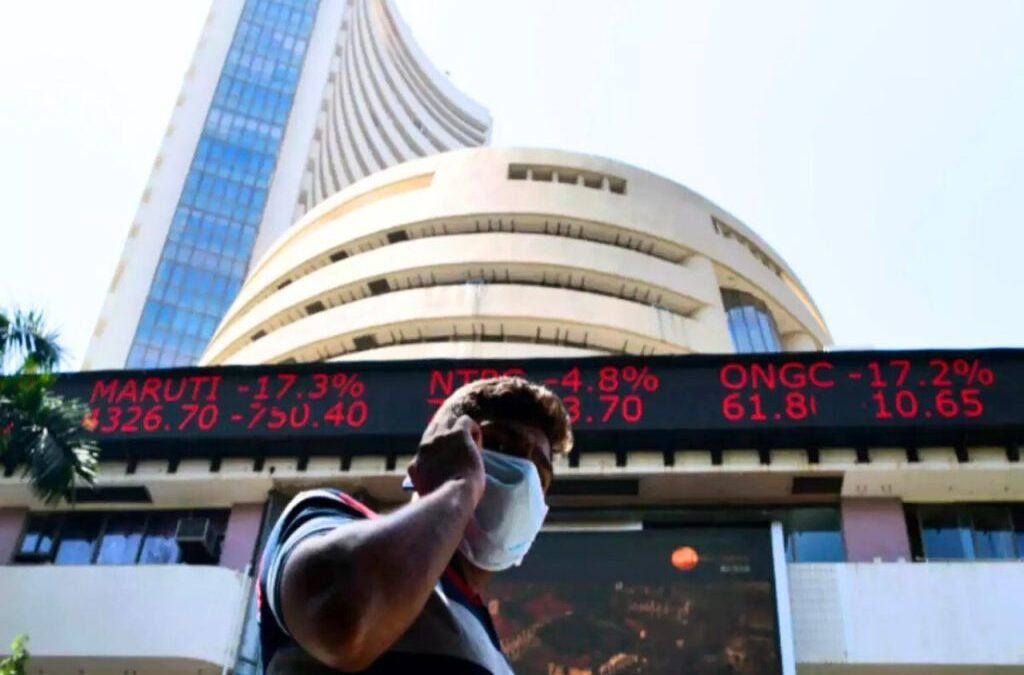
Synopsis: FPIs have pulled out Rs 48,213 crore from Indian equities in April due to global risk aversion, high valuations, geopolitical tensions, rising oil prices, rupee depreciation, and better investment opportunities in other Asian markets.
Foreign Portfolio Investors (FPIs) have intensified their selling streak in the Indian market, withdrawing Rs. 48,213 crore in just the first 10 days of April 2026. This follow-up to a record-breaking March exodus has brought the total year-to-date outflow to a staggering Rs. 1.8 lakh crore.
Despite a strong domestic relief rally in the benchmark indices, foreign investors are using these price jumps as “liquidity windows” to offload holdings and move capital to more stable or undervalued regions.
Key Factors Behind the Massive Capital Outflow
The primary driver for this mass exit is a global shift toward risk aversion. As macroeconomic uncertainties loom, FPIs are pivoting away from emerging markets like India, which are perceived as higher risk during periods of volatility.
Additionally, market analysts point out that valuation concerns are playing a significant role; with Indian markets having seen significant runs, investors are locking in profits.
Other Asian markets, specifically South Korea and Taiwan, are currently seen as more attractive due to superior earnings growth outlooks compared to India’s relatively modest projections for the upcoming fiscal years.
Geopolitical Tensions and the Energy Crisis
A significant portion of the panic is rooted in escalating geopolitical tensions in West Asia. The conflict has directly impacted global energy security, causing crude oil prices to surge.
For an oil-importing nation like India, this triggers a domino effect, such as rising energy costs leading to higher imported inflation and a widening current account deficit. While a recent US-Iran ceasefire provided a brief moment of hope, it has yet to fundamentally restore investor confidence or stabilize the flow of goods through critical maritime routes.
Government and Energy Infrastructure Concerns (LPG/LNG)
The stability of energy imports specifically Liquified Petroleum Gas (LPG) and Liquified Natural Gas (LNG) remains a core concern for the government and investors alike.
The potential for the Strait of Hormuz to be disrupted is a black swan risk that could cripple India’s energy supply chain. Analysts suggest that until there is a credible reopening and guaranteed safety of these shipping lanes, FPIs will remain skeptical.
The government’s ability to manage the fiscal impact of rising gas prices and the potential subsidies required to keep domestic fuel costs stable is being closely monitored by foreign desks.
Currency Depreciation and Macroeconomic Headwinds
The continued depreciation of the Indian Rupee against the US Dollar has further dampened the appetite for Indian assets. When the rupee weakens, the effective returns for foreign investors are eroded, making the market less lucrative even if stock prices remain flat.
This currency volatility, coupled with global inflationary pressure, has forced FPIs to maintain a sell mode until the rupee stabilises and the Q4 earnings season provides a much-needed positive surprise to justify current valuations.
Disclaimer: The views and investment tips expressed by investment experts/broking houses/rating agencies on tradebrains.in are their own, and not that of the website or its management. Investing in equities poses a risk of financial losses. Investors must therefore exercise due caution while investing or trading in stocks. Trade Brains Technologies Private Limited or the author are not liable for any losses caused as a result of the decision based on this article. Please consult your investment advisor before investing.
The post ₹48,200 Cr Exit: Why Are FPIs Pulling Out Their Investments from Indian Markets in Just 10 Days? appeared first on Trade Brains.